

Institutional Power Rivalry Reshapes Global Governance and Smaller States Order

The contemporary international system is undergoing a profound and arguably irreversible transformation in which the architecture of global governance is no longer merely a post-war inheritance but an active theatre of strategic competition. Institutions that were once conceived as stabilising mechanisms for collective

Narrative Rivalry Shapes South Asia Developmental Geopolitics Contest

By: Shafqat Ali Qureshi South Asia has entered a phase in which geopolitical competition is no longer defined solely by military balance, alliance formation, or territorial disputes, but increasingly by narrative architecture surrounding development, connectivity, and legitimacy of state performance. In this evolving

Middle Power Pakistan Bridges China Muslim World Strategic Role

Pakistan’s evolving position in global geopolitics is increasingly defined by a subtle but significant transition from a traditionally South Asia centric security state to a relational intermediary within broader China Muslim world engagement architectures. This shift is not formalized through treaties or alliance
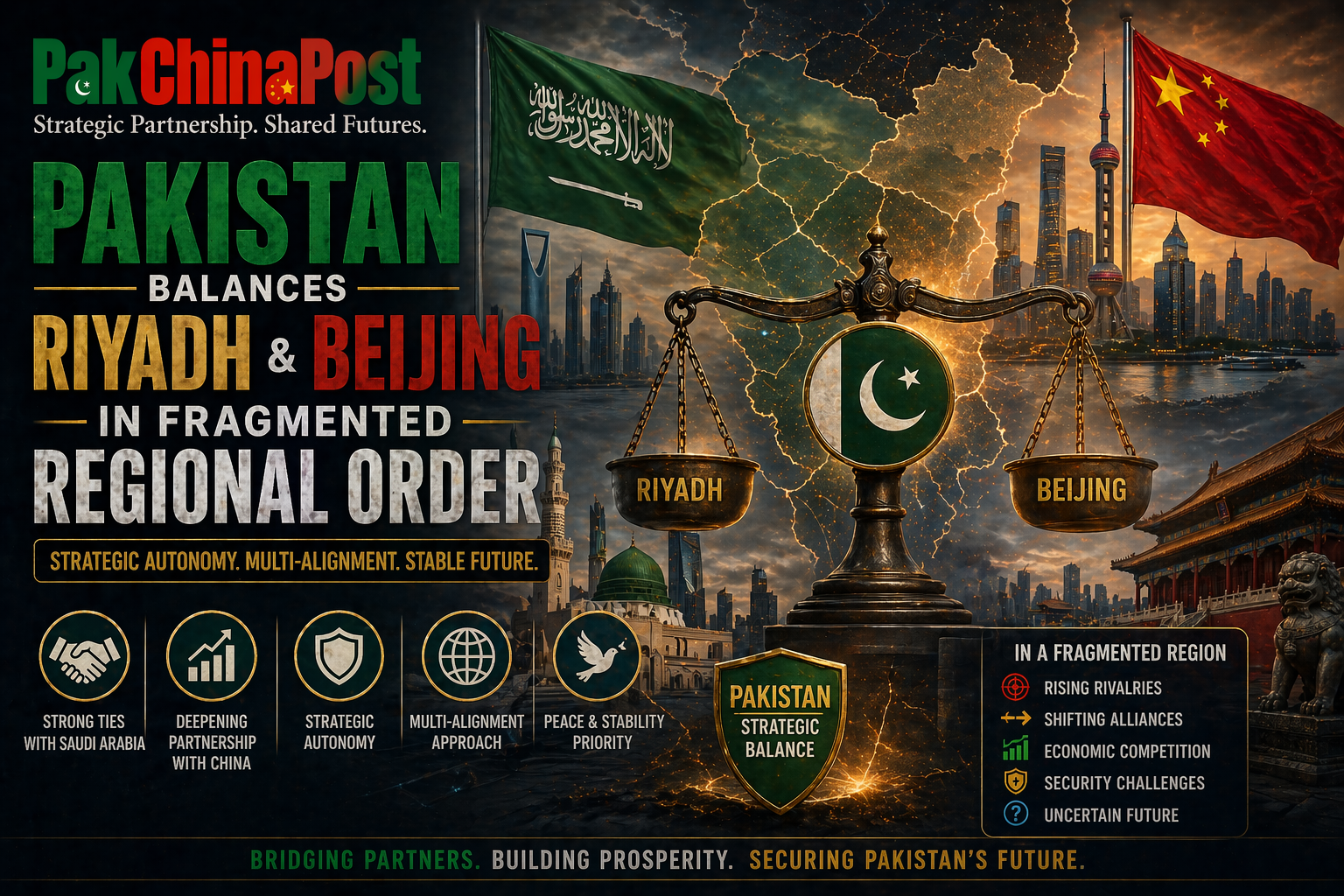
Pakistan Balances Riyadh Beijing In Fragmented Regional Order

Pakistan’s contemporary foreign policy is increasingly defined by an intricate and unstable equilibrium between two structurally different centres of power, China and Saudi Arabia, within a wider international system that has moved beyond predictable polarity into fragmented multipolarity. The old vocabulary of alliance
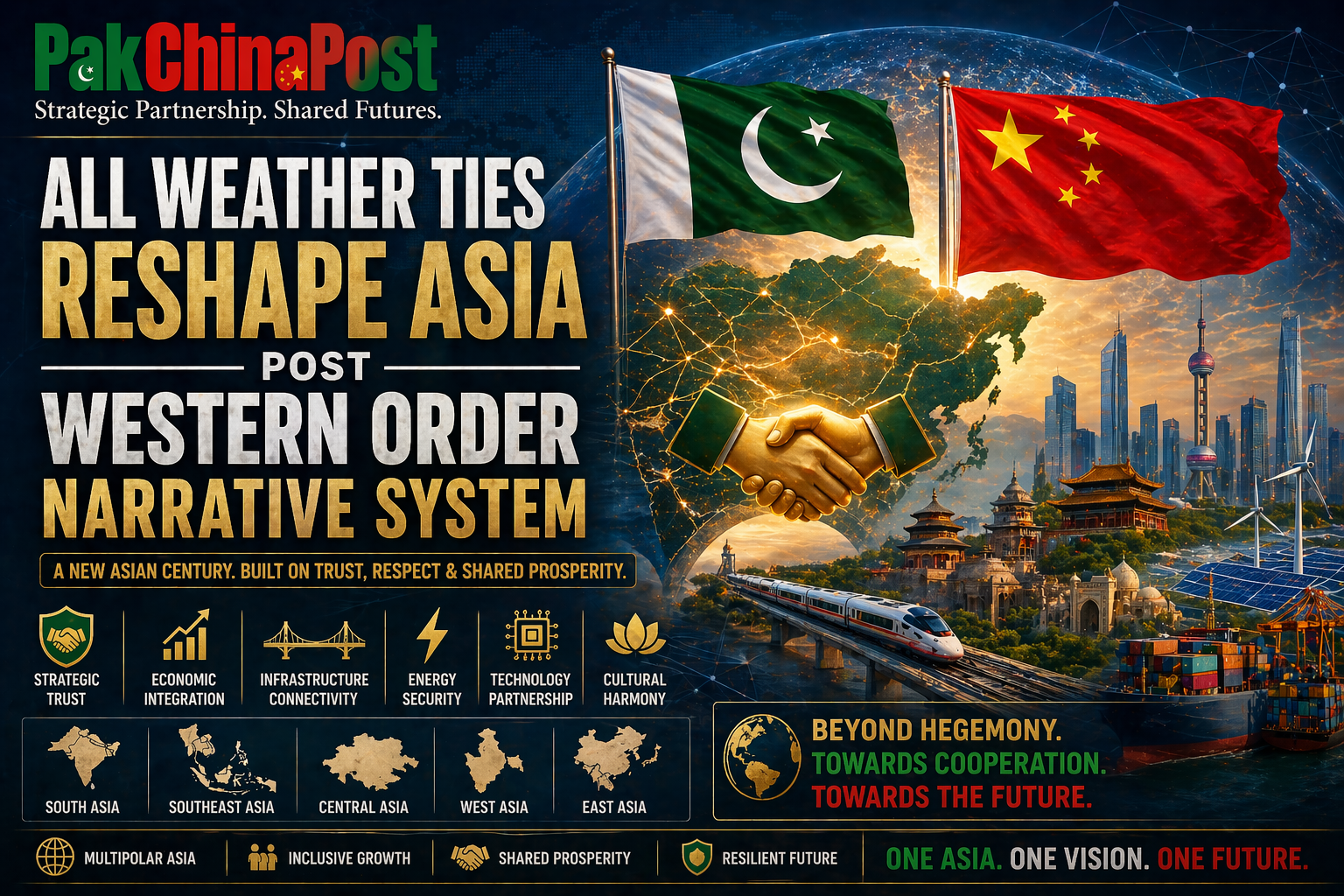
All Weather Ties Reshape Asia Post Western Order Narrative System
The 75th anniversary of Pakistan China diplomatic relations in 2026 is being marked not as historical reflection but as strategic projection into a rapidly fragmenting global order. What distinguishes this moment from earlier commemorations is not sentimentality, but structure. The relationship is now
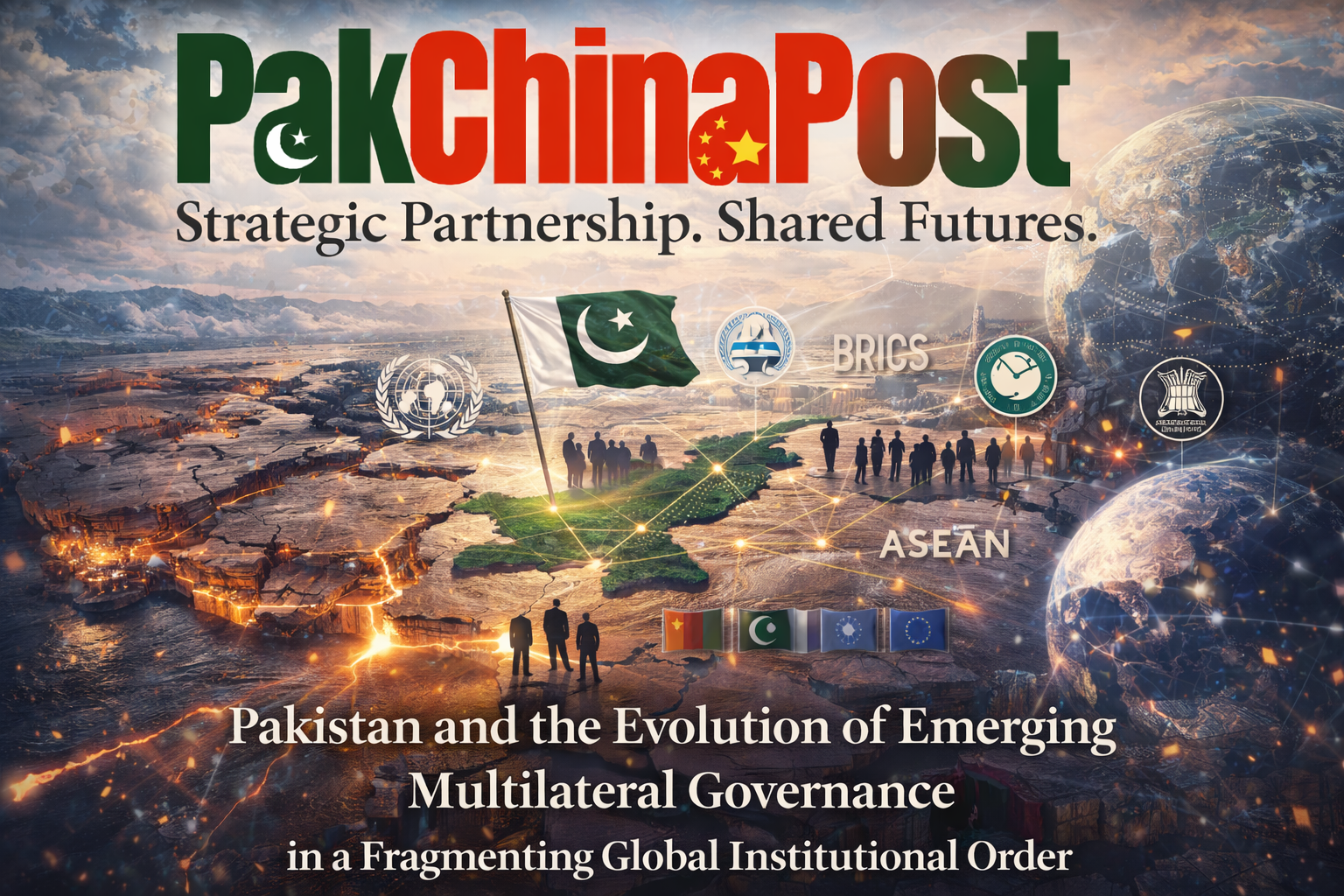
Pakistan and the Evolution of Emerging Multilateral Governance in a Fragmenting Global Institutional Order

The contemporary global governance architecture is undergoing a gradual but structurally significant transformation characterized by the diffusion of authority away from a historically Western centric institutional core toward a more dispersed and multipolar system of multilateral engagement. This transition is not abrupt nor

Pakistan’s Border Diplomacy and Strategic Autonomy in South and Central Asia
Pakistan’s border environment is a complex and enduring factor in its foreign policy calculus and geopolitical positioning. Situated at the confluence of South and Central Asia, Pakistan faces a multifaceted frontier challenge that encompasses Afghanistan to the west, India to the east, and

Pakistan’s Geopolitical Agency in an Era of Multipolarity
Pakistan’s geopolitical relevance in the early decades of the twenty‑first century is rooted in its unique position at the nexus of South Asia, Central Asia, and the broader Indian Ocean region. Its strategic environment is defined by the overlapping interests of global powers

The Reconfiguration of Global Power: China’s Strategic Patience in an Era of Intensifying Geopolitical Rivalry
The contemporary geopolitical environment is passing through a period of profound turbulence in which traditional power structures are undergoing recalibration while new centres of influence gradually emerge across the international system. The strategic stability that once appeared relatively durable in the aftermath of

Geopolitics in an Age of Strategic Flux: China’s Calculated Diplomacy Amid Escalating Global Instability
The contemporary geopolitical landscape is experiencing a moment of profound uncertainty in which traditional assumptions regarding power, sovereignty, and international order are increasingly being challenged by rapid systemic transformations. Conflicts that once appeared geographically contained now reverberate across continents through economic disruption, technological