

Regulatory Predictability Determines Pakistan China Investment Confidence

Pak China economic cooperation has gradually entered a phase where regulatory certainty carries greater strategic significance than investment announcements themselves. Infrastructure commitments, industrial relocation, advanced manufacturing partnerships and technology cooperation increasingly depend less upon political declarations than upon confidence that commercial rules will

Pak China Delivery Credibility Depends Upon Institutional Execution Capacity

Pak China cooperation is entering a phase where the political value of announcing ambitious projects is steadily being eclipsed by the strategic significance of delivering them with measurable precision. Across the contemporary international investment environment, infrastructure diplomacy is no longer judged by ceremonial
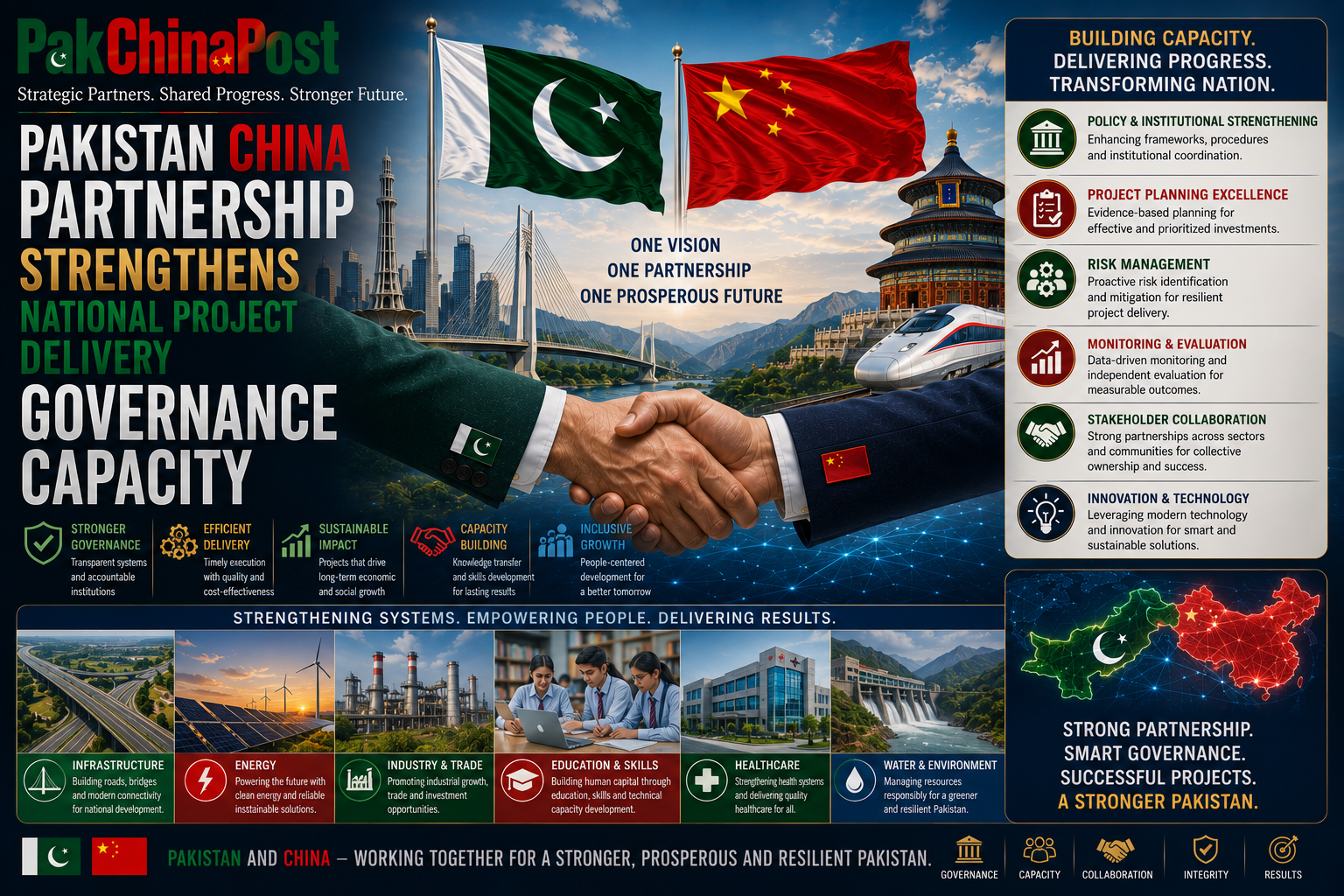
Pakistan China Partnership Strengthens National Project Delivery Governance Capacity
Pakistan and China increasingly recognise that the future of their strategic partnership will be determined not merely by the scale of financial commitments but by the quality of institutional execution. As bilateral cooperation matures beyond infrastructure construction into industrial modernisation, technological collaboration, public
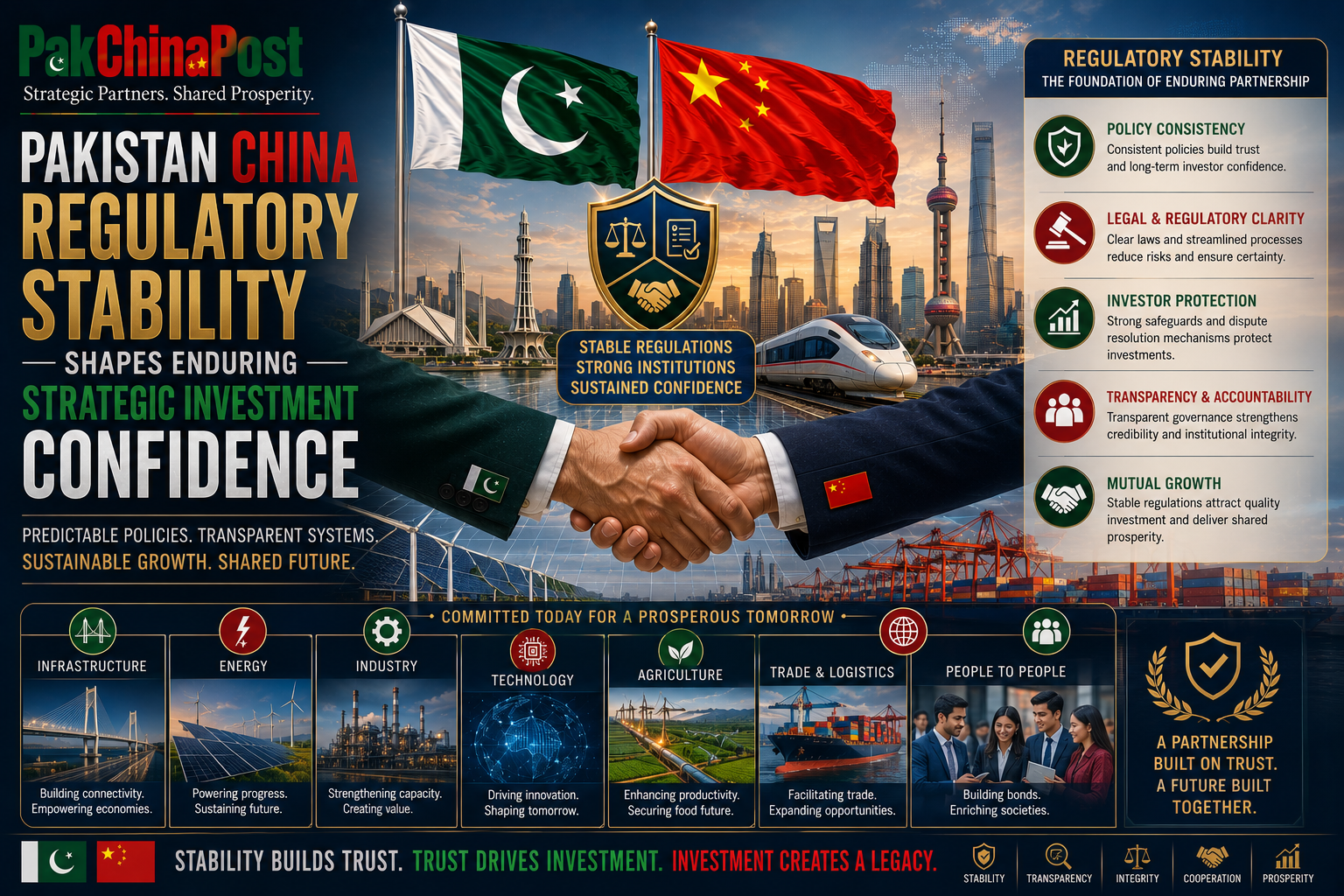
Pakistan China Regulatory Stability Shapes Enduring Strategic Investment Confidence
Pakistan and China increasingly recognise that the next phase of their economic partnership will be determined less by the announcement of ambitious investment packages than by the credibility of institutions responsible for implementing them. Across global capital markets, strategic investors no longer assess
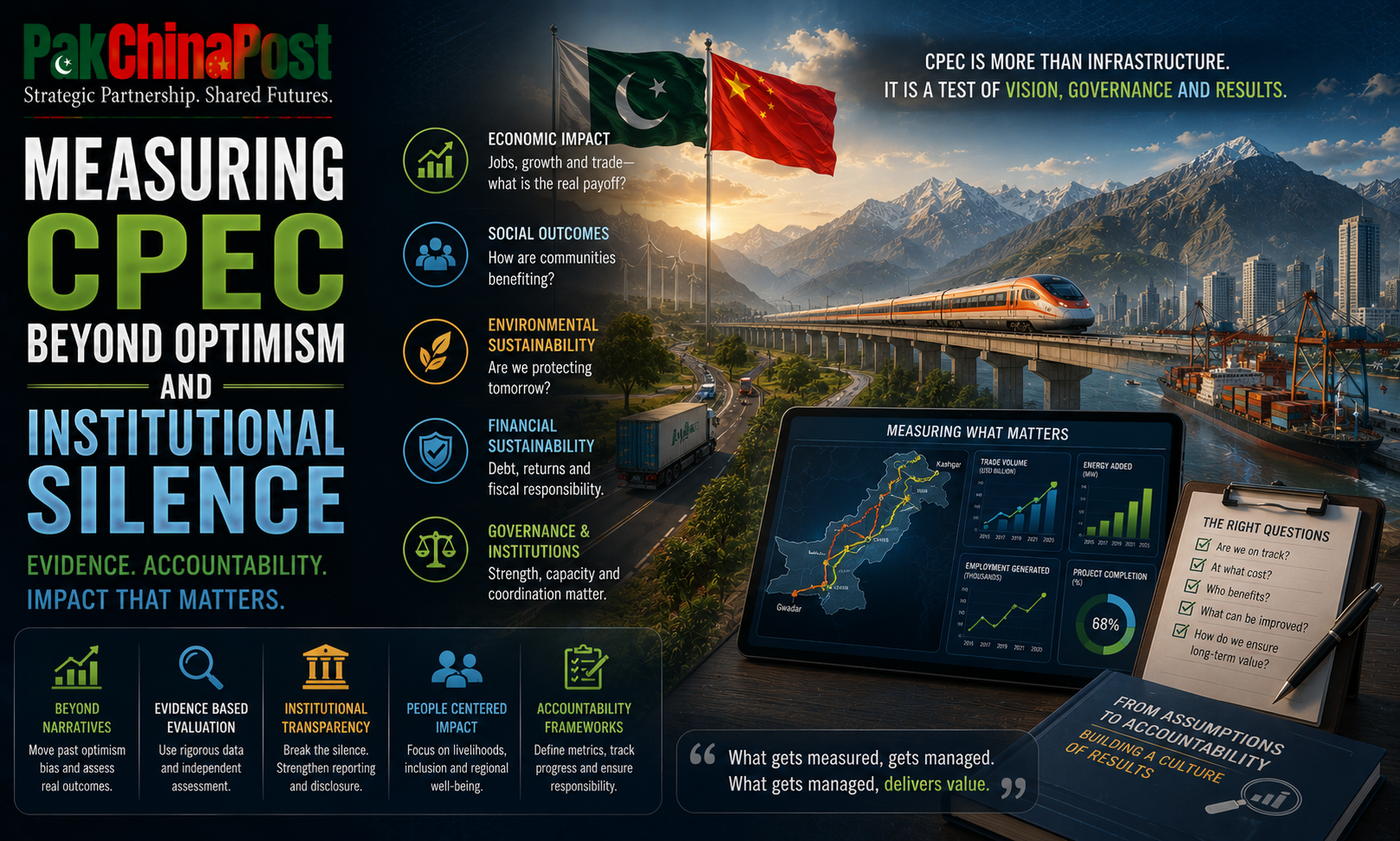
Measuring CPEC Beyond Optimism and Institutional Silence
The absence of a coherent, empirically grounded performance architecture for large-scale bilateral infrastructure engagement has become one of the most consequential blind spots in Pakistan’s development governance, particularly in relation to long-term cooperation with China. Over the past decade, public discourse surrounding CPEC
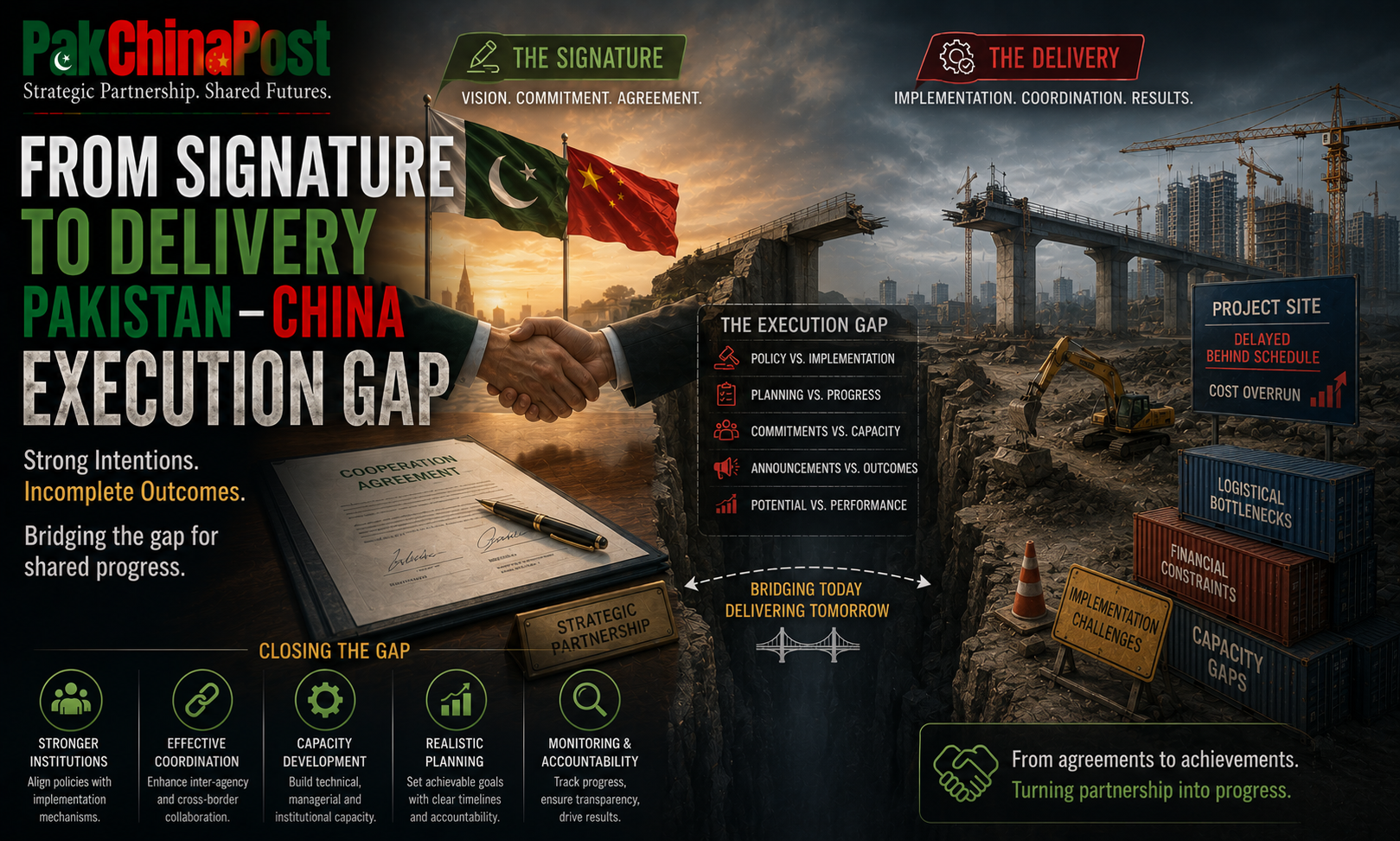
From Signature to Delivery Pakistan China Execution Gap
The acceleration of formal agreements between Pakistan and China has become one of the most visible features of bilateral statecraft over the past decade, yet beneath the surface of ceremonial convergence lies a more consequential institutional paradox: the velocity of signing increasingly outpaces
National Resilience, Pakistan Security Doctrine, Integrated Security, Strategic Stability, Hybrid Threat Response
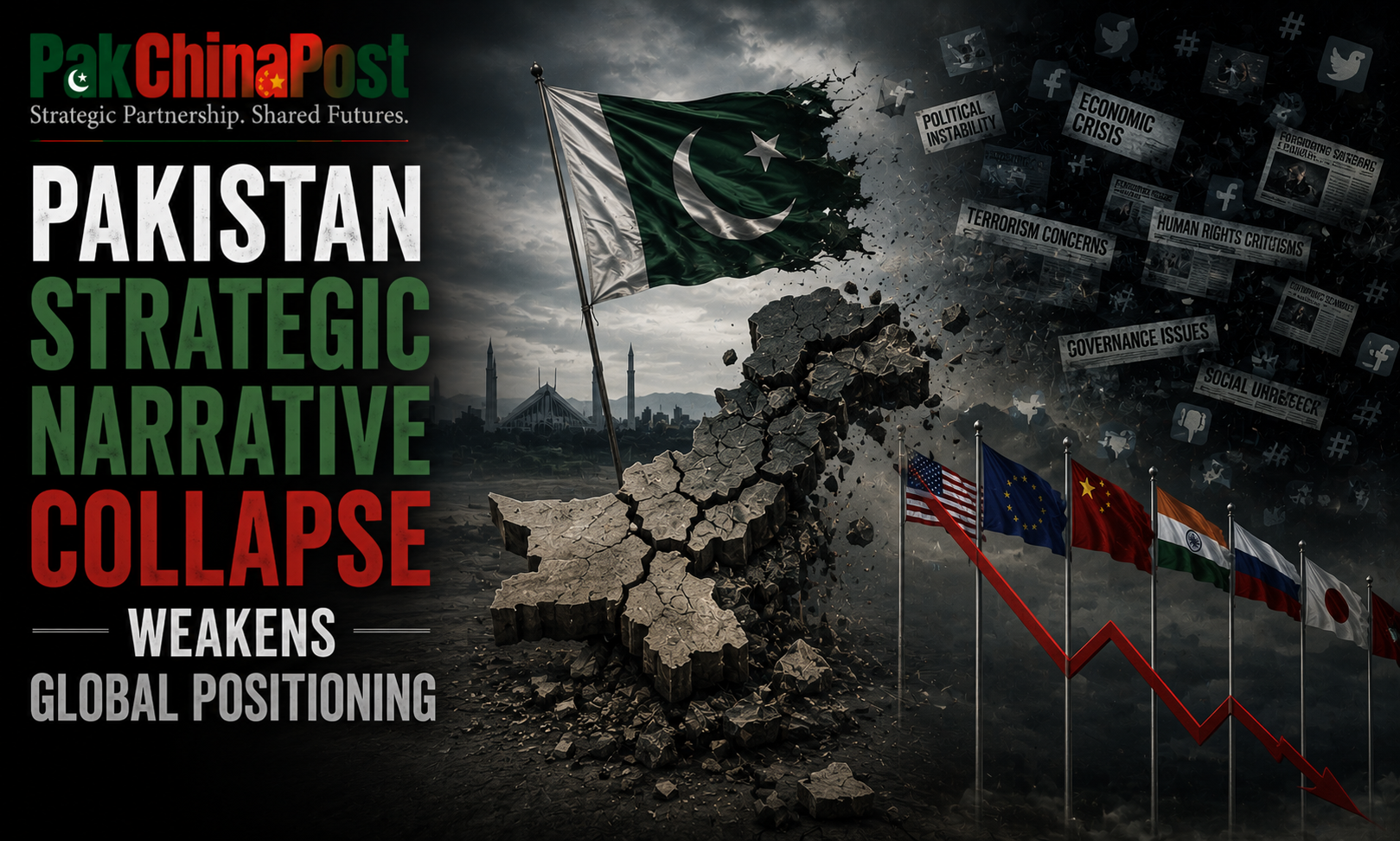
Pakistan’s struggle to maintain a coherent strategic narrative, both domestically and internationally, has evolved into a structural governance challenge rather than a communication shortfall. In an era where perception increasingly determines power, narrative fragmentation operates not as a secondary issue of public relations
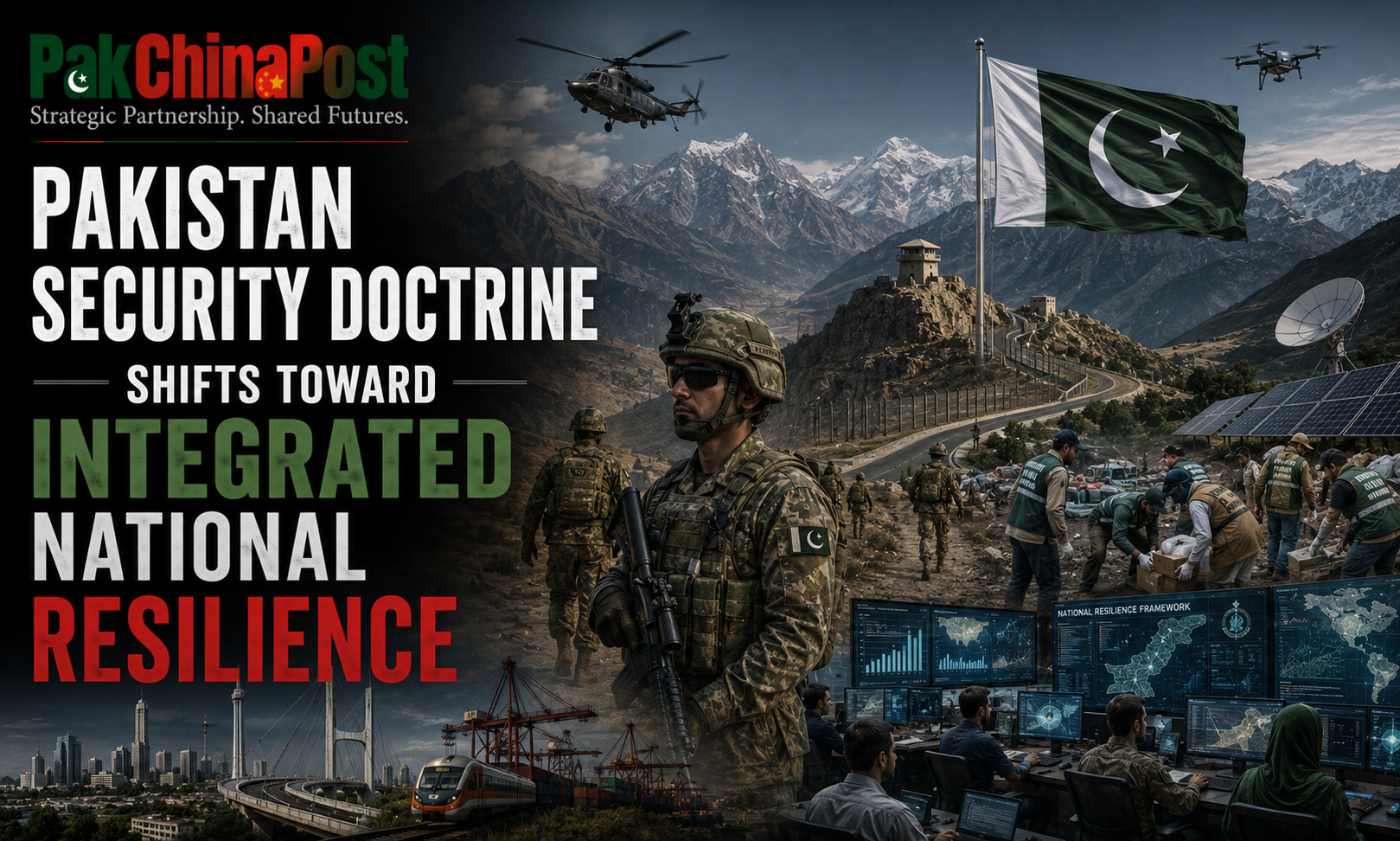
Pakistan Security Doctrine Shifts Toward Integrated National Resilience
Pakistan’s prevailing national security architecture, historically constructed upon the imperatives of territorial defence, strategic deterrence, and conventional force readiness, is increasingly confronted by a paradox of relevance. The operational grammar of security, once defined by borders, military balance, and external threat matrices, is
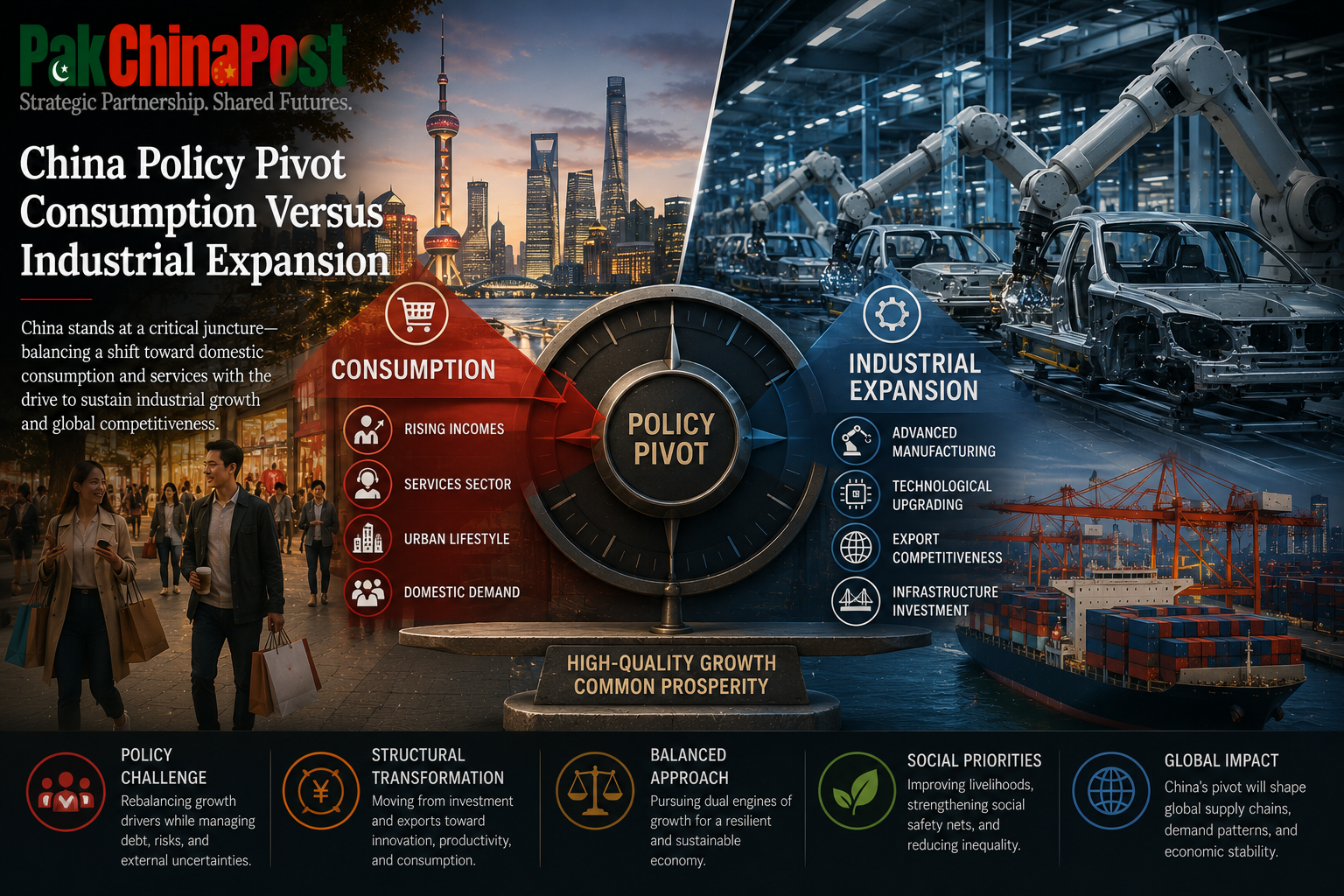
China Policy Pivot Consumption Versus Industrial Expansion

China’s economic trajectory has entered a phase of structural recalibration that carries implications far beyond its national borders. The long standing growth model, anchored in investment led industrial expansion, export competitiveness, and state directed infrastructure accumulation, is now being reassessed under the pressures

Rethinking Development Finance In A Fragmented Global Order
The architecture of global development finance is undergoing a quiet but profound crisis of legitimacy. Institutions once designed to stabilise post war reconstruction and later to manage orderly globalisation now operate in an environment defined by fragmentation, geopolitical rivalry, debt saturation, and climate