

Artificial Intelligence Disinformation During Regional Crises

Pak China strategic cooperation increasingly confronts an emerging security variable that receives far less institutional attention than missiles, sanctions or military deployments. Artificial intelligence generated disinformation has evolved into a sophisticated instrument capable of reshaping diplomatic calculations, disrupting crisis management and manipulating strategic
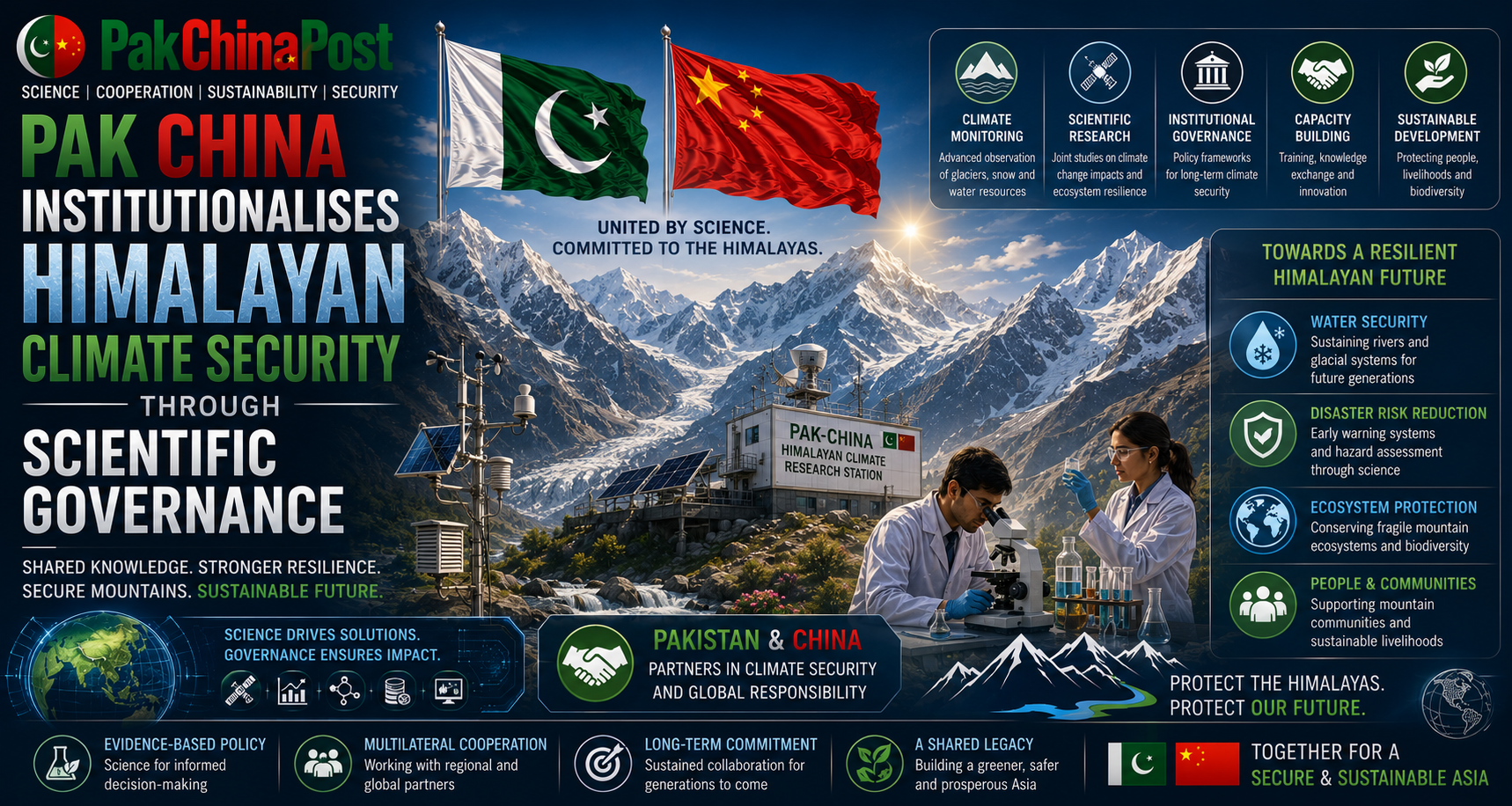
Pak China Institutionalises Himalayan Climate Security Through Scientific Governance

Pak China cooperation is entering an era where environmental intelligence is becoming inseparable from strategic stability. While traditional security calculations have long concentrated upon territorial defence, economic connectivity and technological competition, accelerating cryospheric transformation across the Himalayas is steadily redefining national security priorities.

Pak China Confronts Expanding Digital Financial Crime Networks

Pak China cooperation is entering an era where financial security increasingly depends upon the integrity of digital ecosystems rather than the protection of conventional banking institutions alone. Cross border financial crime has evolved into an adaptive transnational enterprise, integrating cyber intrusion, artificial intelligence
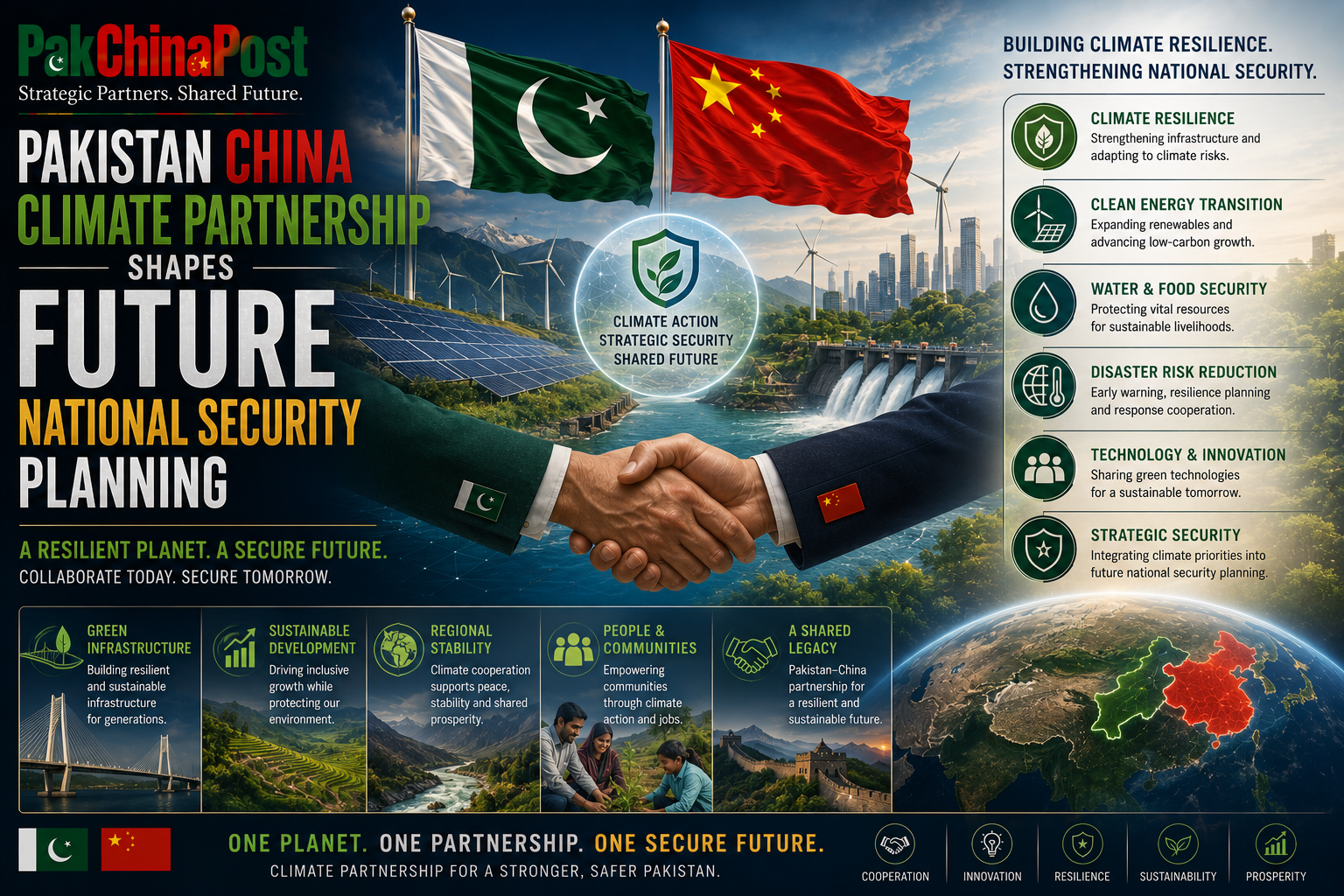
Pakistan China Climate Partnership Shapes Future National Security Planning
Pakistan and China are entering a phase of strategic cooperation in which climate resilience is steadily becoming as significant as traditional economic connectivity and conventional security coordination. What initially emerged through infrastructure investment and industrial integration is increasingly expanding towards environmental governance, ecological

Pakistan China Partnership Faces Artificial Intelligence Information Warfare Challenges

Pakistan and China increasingly confront a strategic environment in which infrastructure projects, economic integration, scientific cooperation and regional connectivity are no longer challenged solely through conventional geopolitical competition. They are simultaneously exposed to sophisticated information campaigns driven by artificial intelligence, synthetic media, algorithmically
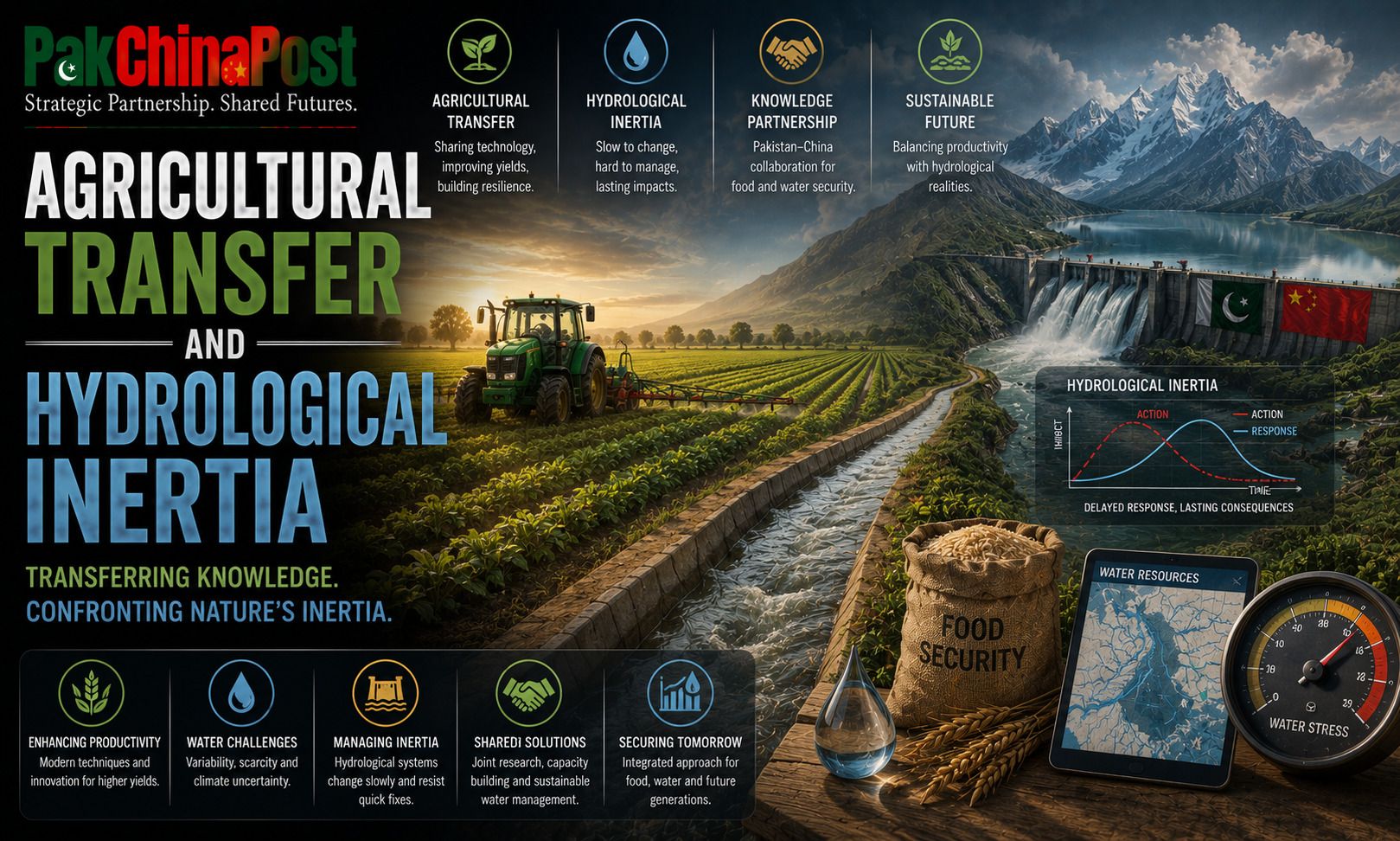
Agricultural Transfer and Hydrological Inertia
Pakistan’s encounter with agricultural modernization has repeatedly been framed as a problem of productivity shortfall, yet beneath this familiar diagnosis lies a more intricate structural impasse: the persistent inability to translate external technological advances into domestically embedded systems of agrarian transformation. Nowhere is
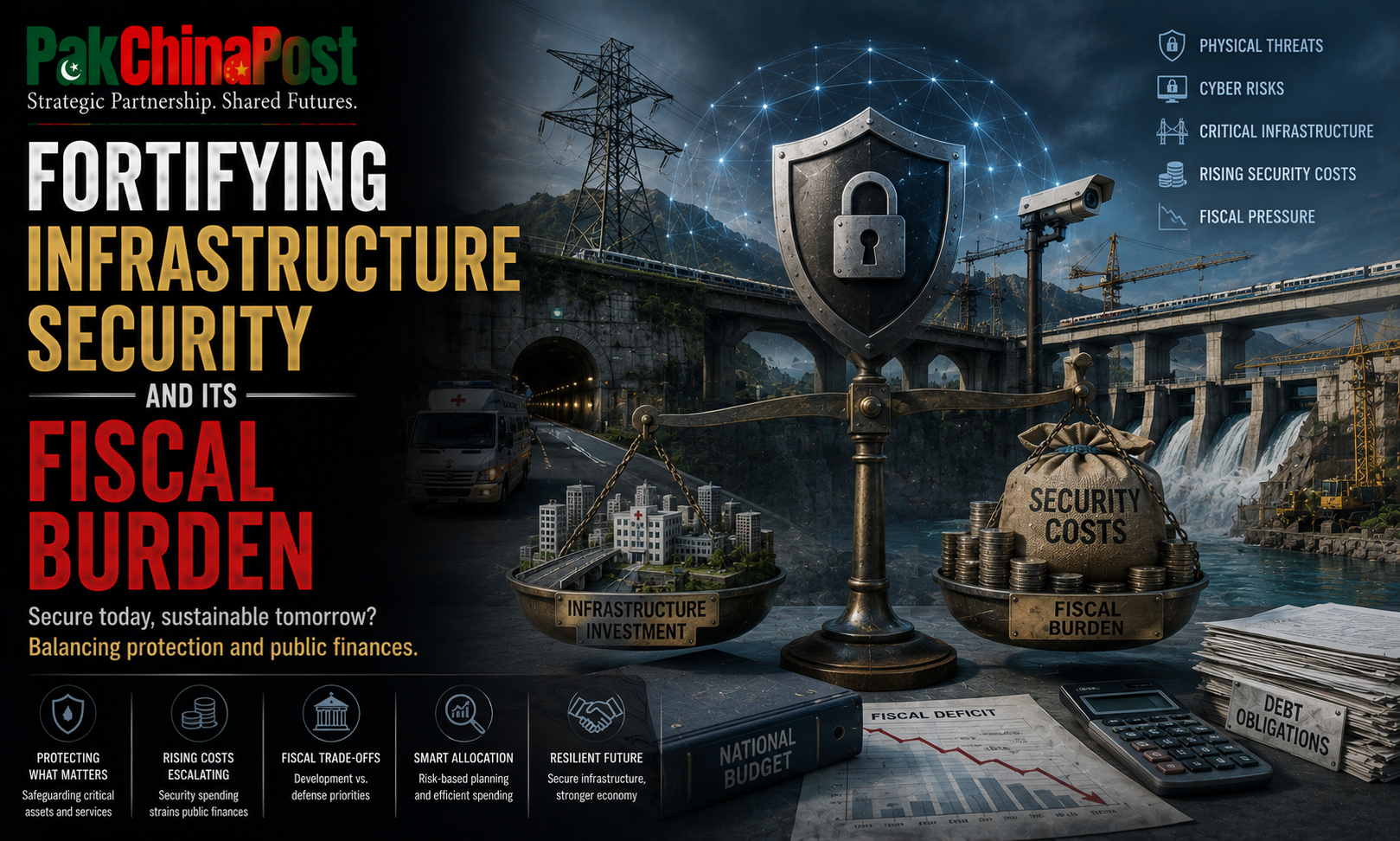
Fortifying Infrastructure Security and Its Fiscal Burden
The securitisation of large-scale infrastructure in Pakistan, particularly within the ambit of China-linked development corridors, has evolved into an enduring structural commitment rather than a temporary operational requirement. What was initially framed as a transitional protection arrangement for engineering projects has gradually crystallised
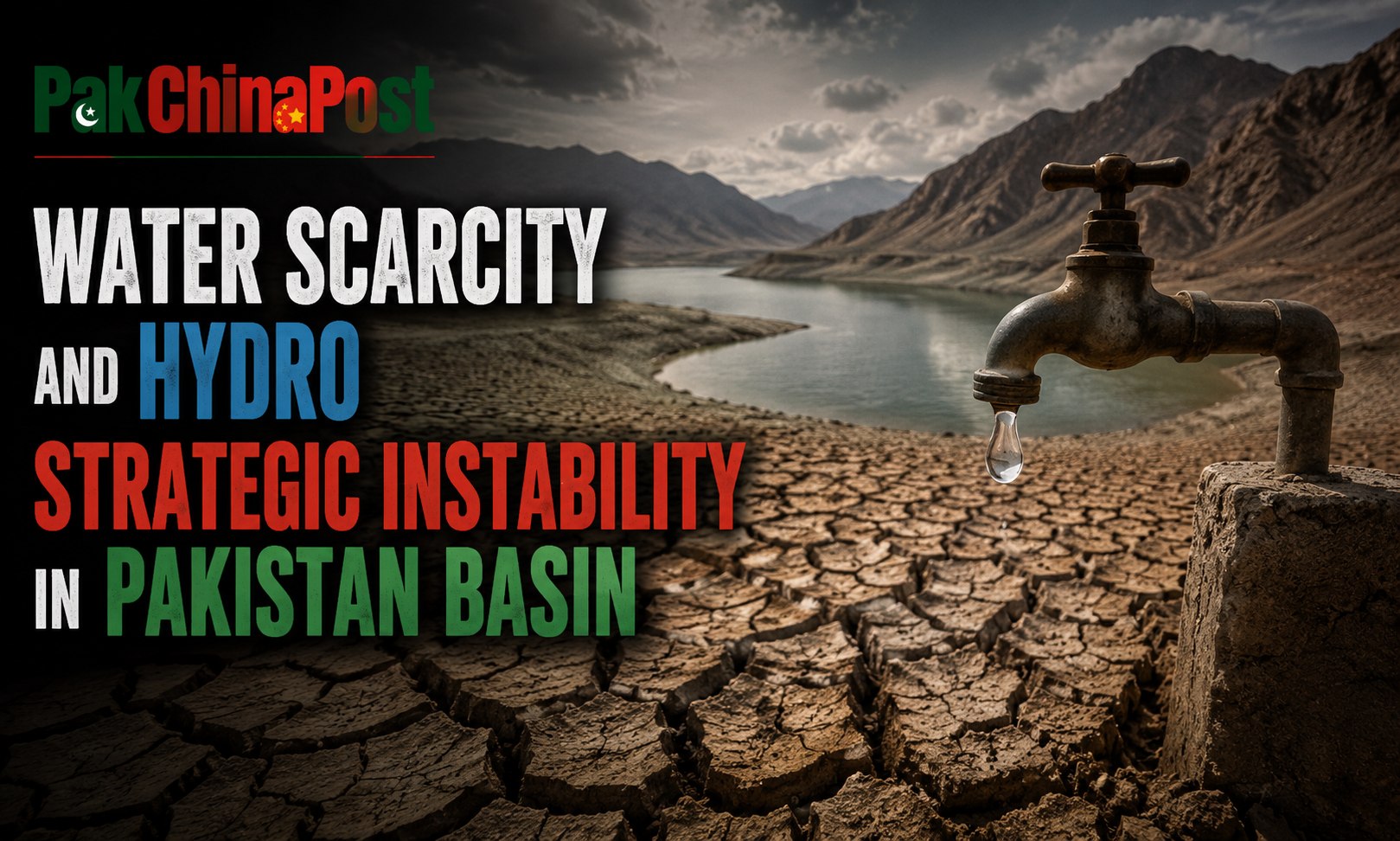
Water Scarcity and Hydro Strategic Instability in Pakistan Basin
Water scarcity in Pakistan is no longer an environmental stress indicator confined to agronomic discourse; it has evolved into a structural determinant of internal cohesion, inter provincial equilibrium, and long term state survivability. The hydro logic of the Indus Basin is entering a
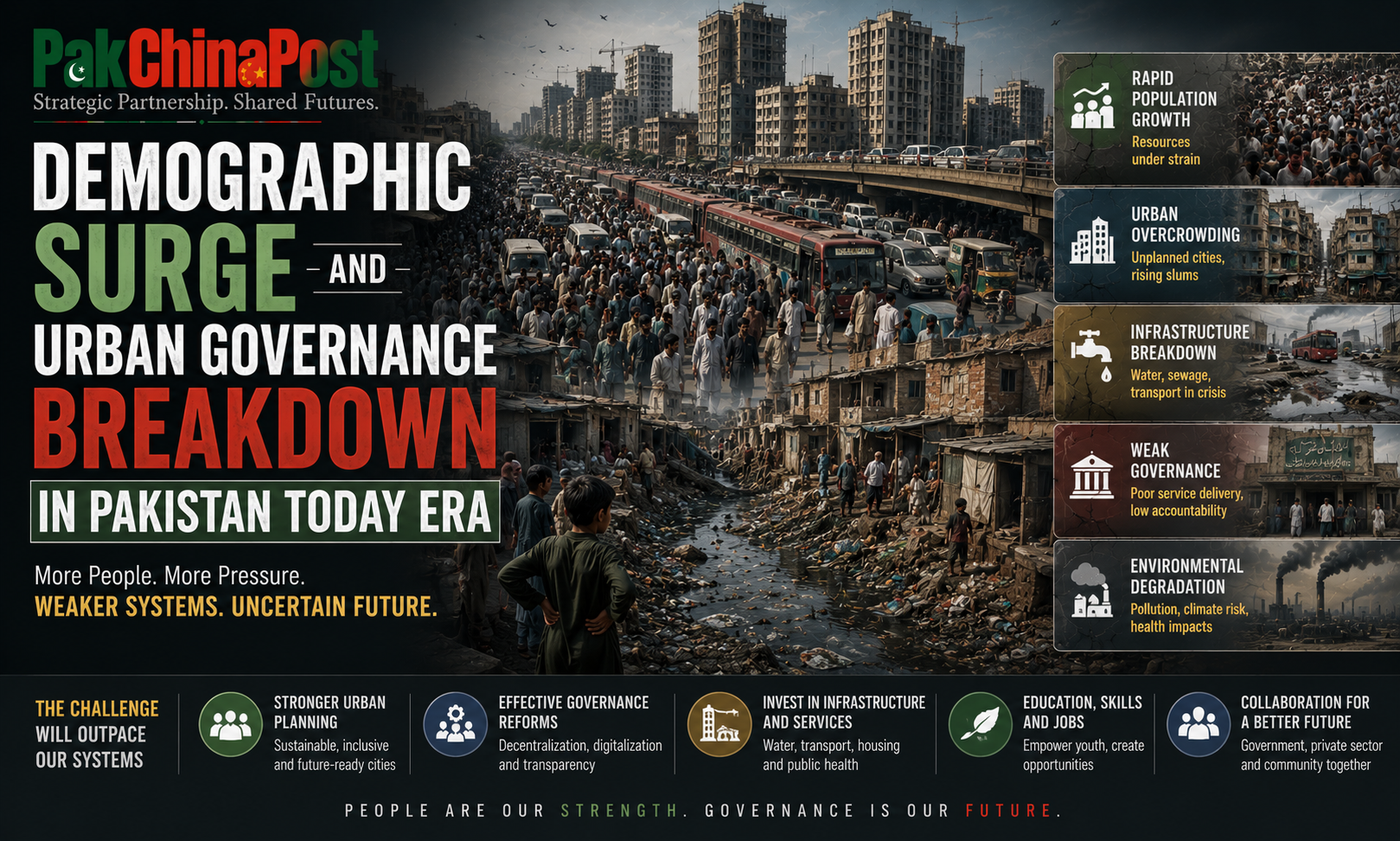
Demographic Surge and Urban Governance Breakdown in Pakistan Today Era
Pakistan’s demographic trajectory has entered a phase of structural acceleration that is no longer adequately interpretable through conventional development economics or incremental governance reform frameworks. The country’s population expansion, marked by sustained high fertility rates, uneven fertility transition, and intensified rural to urban
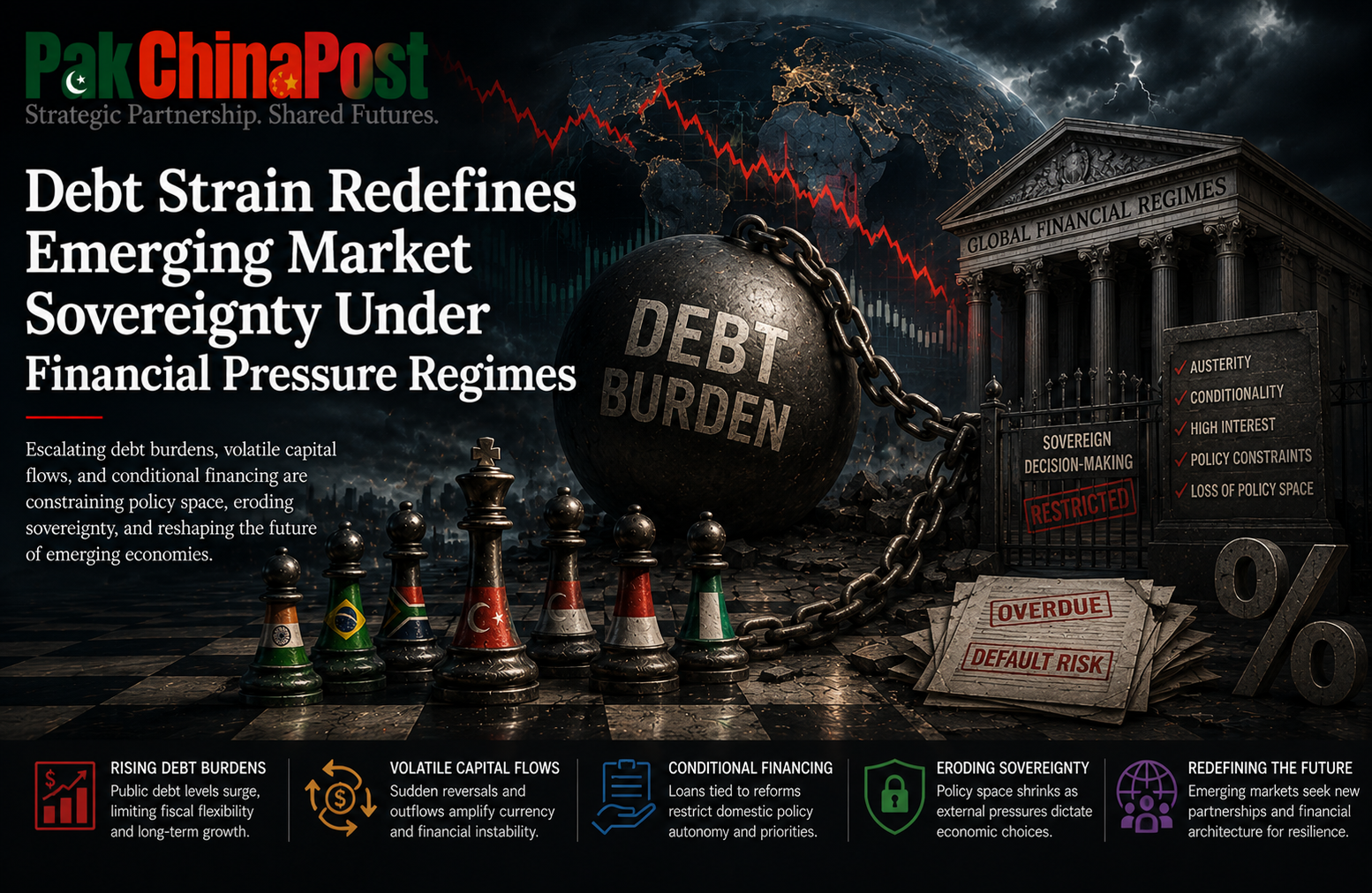
Debt Strain Redefines Emerging Market Sovereignty Under Financial Pressure Regimes
The contemporary global economy is increasingly being reshaped by an undercurrent of sovereign indebtedness that is neither episodic nor cyclical, but structurally embedded within the architecture of post pandemic financial normalisation, tightening global liquidity conditions, and the entrenched asymmetries of dollar denominated capital