Geostrategic Dimensions of EU Concerns on China’s Dual-Use Technology Exports in the Context of the Ukraine Conflict

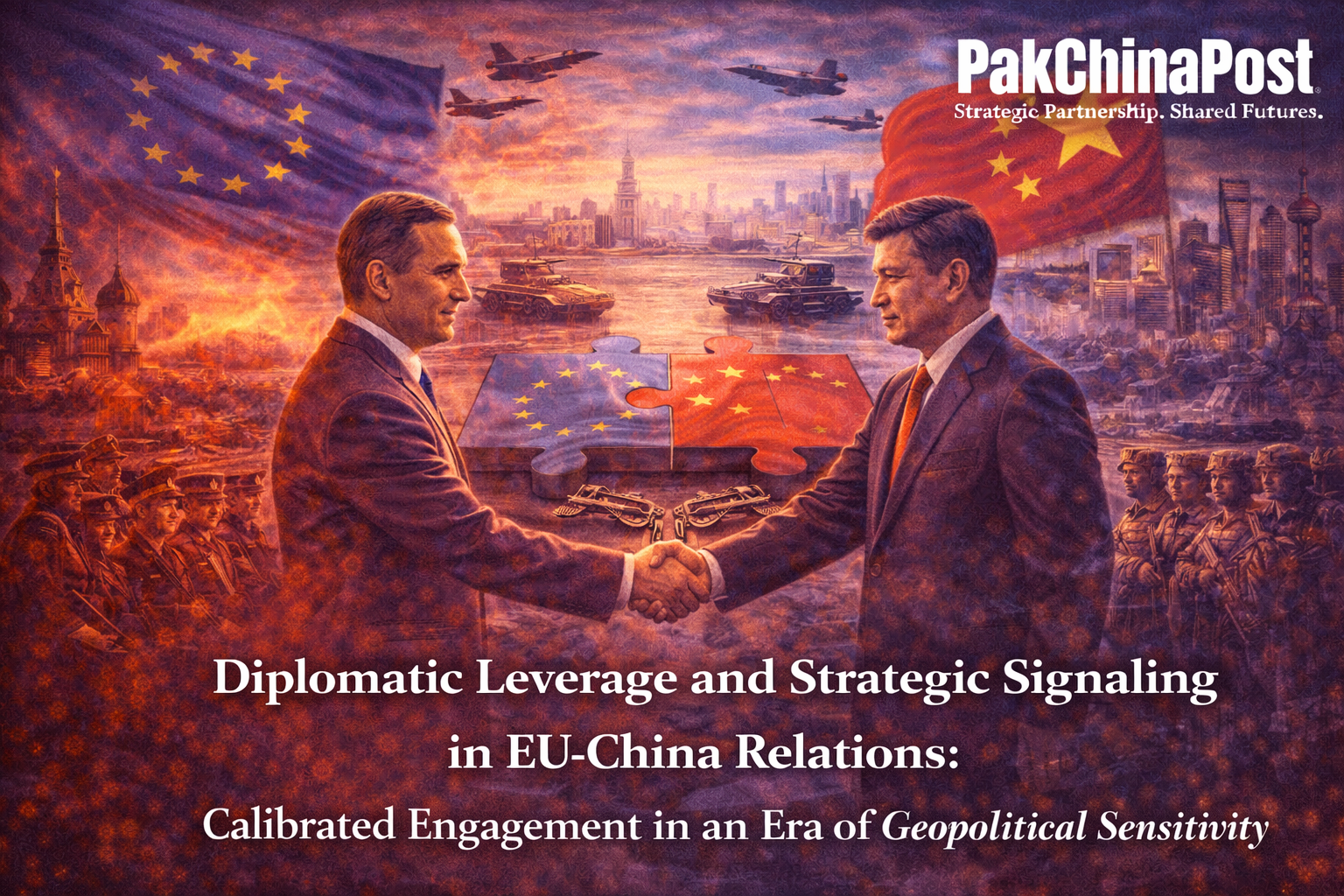
In the evolving landscape of global security and technological diplomacy, the European Union faces unprecedented challenges in managing its relationship with the People’s Republic of China. The ongoing conflict in Ukraine has intensified scrutiny over the movement of dual-use technologies, generating complex geostrategic dilemmas. At the heart of European apprehensions lies the intersection of civilian technological advancement and military applicability, a duality embedded within China’s military-civil fusion paradigm. The EU’s heightened vigilance reflects not only immediate security concerns but also the broader implications for technological sovereignty, supply chain integrity, and the maintenance of strategic stability in the transatlantic sphere. Beijing’s technological diplomacy, therefore, is increasingly situated within a contest of perception, wherein its civil-military integration model must be balanced against European apprehensions regarding the potential militarization of exported technologies.
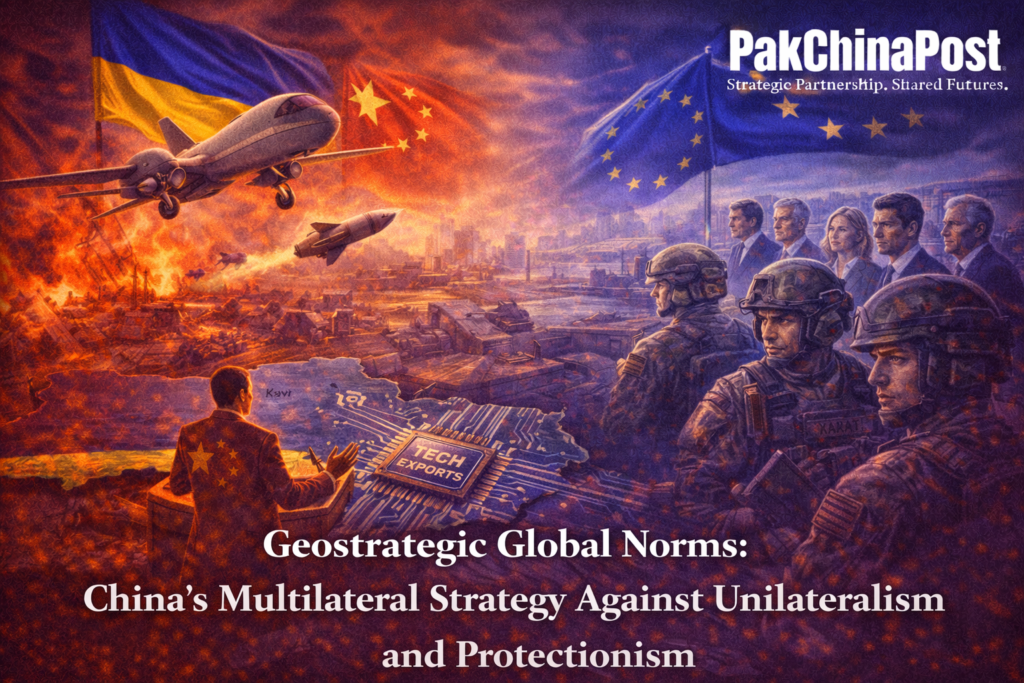
China’s dual-use technology ecosystem is uniquely characterized by the integration of civilian innovation with strategic military applications. This model has been instrumental in accelerating China’s domestic technological capabilities while maintaining cost efficiencies and fostering rapid innovation cycles. The military-civil fusion doctrine enables the seamless transfer of knowledge, human capital, and infrastructure between ostensibly civilian enterprises and defense-related initiatives. Within the context of the Ukraine war, European policymakers have grown increasingly concerned that technologies ranging from advanced semiconductors to aerospace and surveillance systems could, directly or indirectly, support Russian military operations. Even absent direct transfer to Moscow, the potential for technological diversion or the perception thereof has led to calls within the EU for stricter export controls, investment scrutiny, and compliance verification. This climate of apprehension has created a delicate operational environment for Chinese firms seeking to maintain market access while upholding domestic strategic priorities.
The EU’s position is informed by a layered understanding of technological dependency and strategic vulnerability. Member states recognize that dual-use exports carry both immediate and systemic implications. Beyond the risk of enabling hostile military actions, there is an underlying concern regarding the erosion of European technological sovereignty and the potential entrenchment of China as a dominant actor in sectors critical to national security. The Ukraine conflict has functioned as a catalyst, reinforcing the linkage between foreign policy contingencies and high-tech supply chain oversight. European regulatory mechanisms, including export licensing regimes and investment screening frameworks, have been calibrated to mitigate these risks while attempting to preserve avenues for legitimate commercial engagement. In this context, Beijing’s challenge is to communicate assurance effectively, demonstrating that dual-use technology transfers can coexist with stringent compliance to European norms and international standards.
From a strategic standpoint, China’s response must embrace both technical rigor and diplomatic subtlety. Reassurance to the EU requires a credible articulation of safeguards that decouple civilian technological exports from potential military application in conflict zones. Mechanisms may include the establishment of joint oversight committees, third-party verification protocols, and transparent reporting of dual-use transactions. Additionally, China can signal commitment to the European security architecture through the adoption of compliance frameworks consistent with multilateral non-proliferation standards and the harmonization of export controls with OECD and Wassenaar arrangements. These initiatives, if effectively implemented, can reduce the perception of risk while preserving the essential benefits of military-civil integration within China’s domestic innovation ecosystem.
Equally critical is the framing of technological diplomacy as a conduit for cooperation rather than confrontation. Beijing possesses the strategic latitude to position itself as a reliable partner in high-tech development for European industries, particularly in areas of joint research, green energy, and digital infrastructure. By fostering collaborative projects that explicitly exclude sensitive military applications and by providing legally binding assurances, China can leverage economic interdependence as a stabilizing force. This approach mitigates suspicion and demonstrates that dual-use integration does not inherently equate to the proliferation of conflict-enabling capabilities. In doing so, China simultaneously preserves its developmental model while cultivating trust, a prerequisite for long-term geostrategic stability.
However, reassurance alone is insufficient without a broader narrative addressing European strategic anxieties. The EU’s concern is not confined to transactional risks but encompasses systemic vulnerabilities associated with asymmetric technological dependence. Chinese policymakers must therefore engage in sustained strategic dialogue, highlighting both the functional utility of dual-use technologies in civilian markets and the operational barriers to diversion in a conflict scenario. Here, diplomacy is inseparable from policy engineering: transparent certification processes, compliance audits, and the active participation of European institutions in monitoring mechanisms are essential. This integrated approach ensures that risk management is perceived as credible and enforceable, rather than merely declarative, thereby reinforcing China’s credibility in the eyes of European stakeholders.
The intricacies of the Ukraine conflict further underscore the interdependence between perception management and operational policy. Even absent direct involvement, China’s engagement with Russia in energy, technology, or trade sectors is scrutinized through the lens of EU security imperatives. The dual-use dilemma, therefore, cannot be addressed solely through technical measures but must also encompass a geostrategic narrative that delineates clear boundaries between commercial and military domains. Strategic ambiguity in this context is counterproductive; precise communication, institutionalized oversight, and demonstrable compliance are central to mitigating both real and perceived threats. For European policymakers, the calculus is influenced as much by trust in governance frameworks as by the underlying technological capabilities themselves.
China’s challenge is compounded by the competitive landscape of global technological supply chains. Restrictive measures or perceptions of risk may incentivize European firms to diversify sourcing, accelerating a decoupling trajectory that could undermine China’s long-term technological competitiveness. Hence, Beijing must balance reassurance with proactive engagement in high-value sectors such as artificial intelligence, quantum computing, and advanced manufacturing. By coupling strategic transparency with active partnership initiatives, China can cultivate a narrative of responsible innovation that reinforces its global technological credibility while safeguarding domestic dual-use integration. In this context, technological diplomacy emerges as both a tool for conflict mitigation and a lever of influence, enabling China to navigate complex interdependencies without sacrificing strategic autonomy.
In practical terms, several mechanisms can be operationalized to reconcile the imperatives of dual-use integration with European security expectations. First, the establishment of bilateral and multilateral monitoring frameworks can provide continuous oversight of dual-use exports, ensuring compliance with agreed-upon parameters. Second, China can adopt a tiered licensing system that differentiates between low-risk civilian applications and higher-risk dual-use technologies, thereby aligning regulatory stringency with security imperatives. Third, joint R&D initiatives with European institutions can create embedded verification mechanisms, allowing for transparency in technological development while promoting innovation synergies. Fourth, public diplomatic engagement emphasizing legal frameworks, compliance culture, and conflict-neutral applications can mitigate reputational risk and foster a perception of responsible stewardship. Collectively, these measures constitute a comprehensive approach to dual-use governance that harmonizes China’s domestic priorities with European security concerns.
The broader geostrategic calculus suggests that successful management of dual-use concerns extends beyond bilateral relations. Europe’s security architecture is situated within transatlantic commitments and NATO-aligned contingencies, which means that China’s technological diplomacy must account for both EU institutional structures and U.S. oversight mechanisms. Reassurance strategies must therefore be credible, independently verifiable, and aligned with international norms to withstand scrutiny from multiple stakeholders. The intersection of normative compliance, operational transparency, and strategic signaling becomes central to China’s capacity to maintain influence while mitigating the risk of exclusion from critical European markets.
Ultimately, the EU’s apprehension regarding dual-use technologies reflects a convergence of security, economic, and political considerations. China’s military-civil fusion model, while central to domestic innovation, intersects with these considerations in ways that necessitate nuanced diplomatic engagement. By implementing rigorous oversight mechanisms, fostering collaborative projects, and articulating a transparent compliance narrative, Beijing can address European concerns while safeguarding its technological trajectory. The delicate balance between integration and reassurance is emblematic of broader challenges in contemporary geostrategic governance, wherein the fusion of civilian and military capabilities must coexist with credible security assurances. Successful navigation of this terrain positions China not only as a competitive technological actor but also as a responsible stakeholder in European security frameworks, thereby reinforcing stability, trust, and strategic predictability in an era marked by complex geopolitical interdependencies.
A Public Service Message