
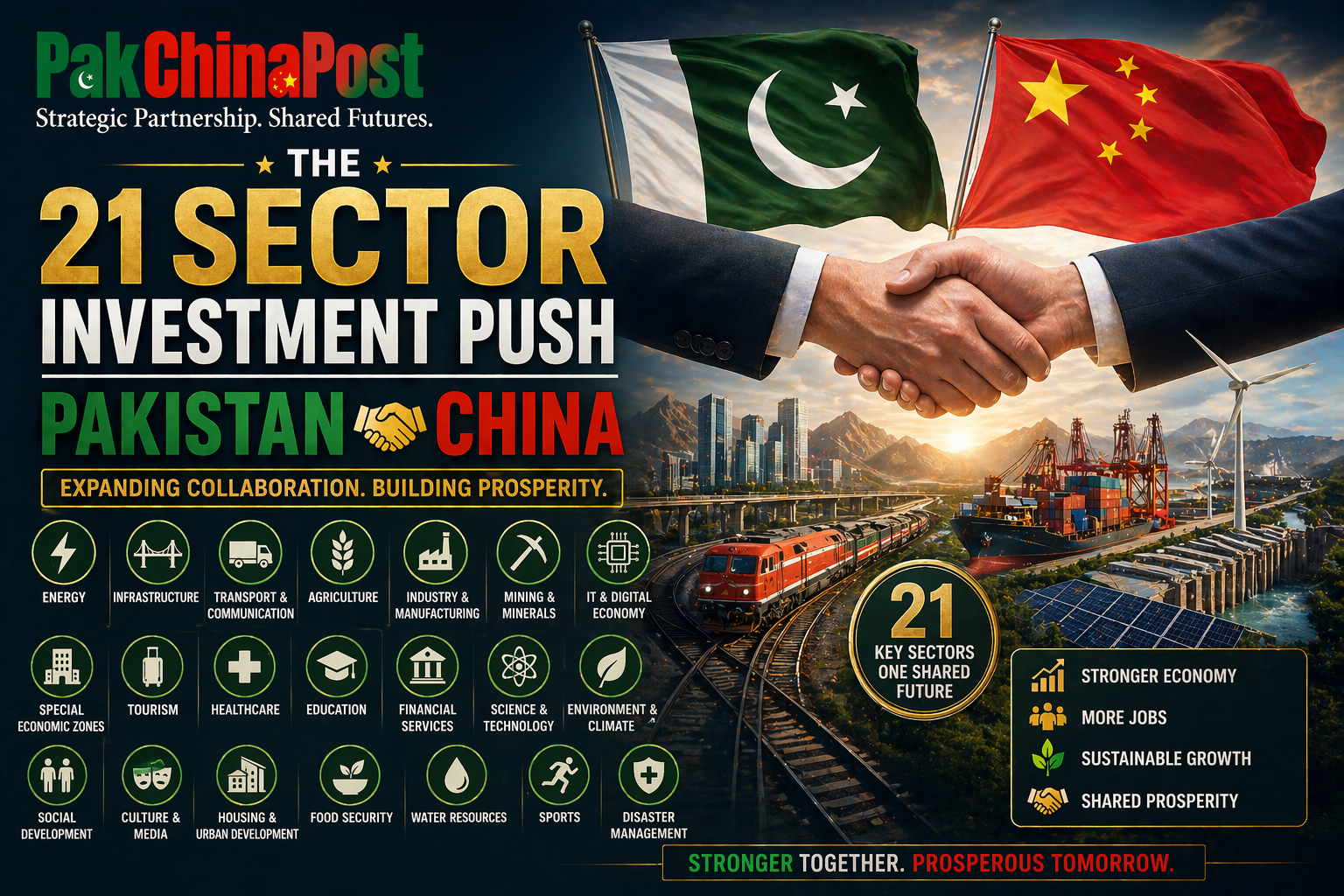
The 21 Sector Investment Push Pakistan China

Pakistan’s recent attempt to reorganise its investment diplomacy around twenty one priority sectors marks a quiet but important shift in how the country presents itself to foreign capital, particularly Chinese investors. For much of the past two decades, Pakistan’s investment narrative has oscillated
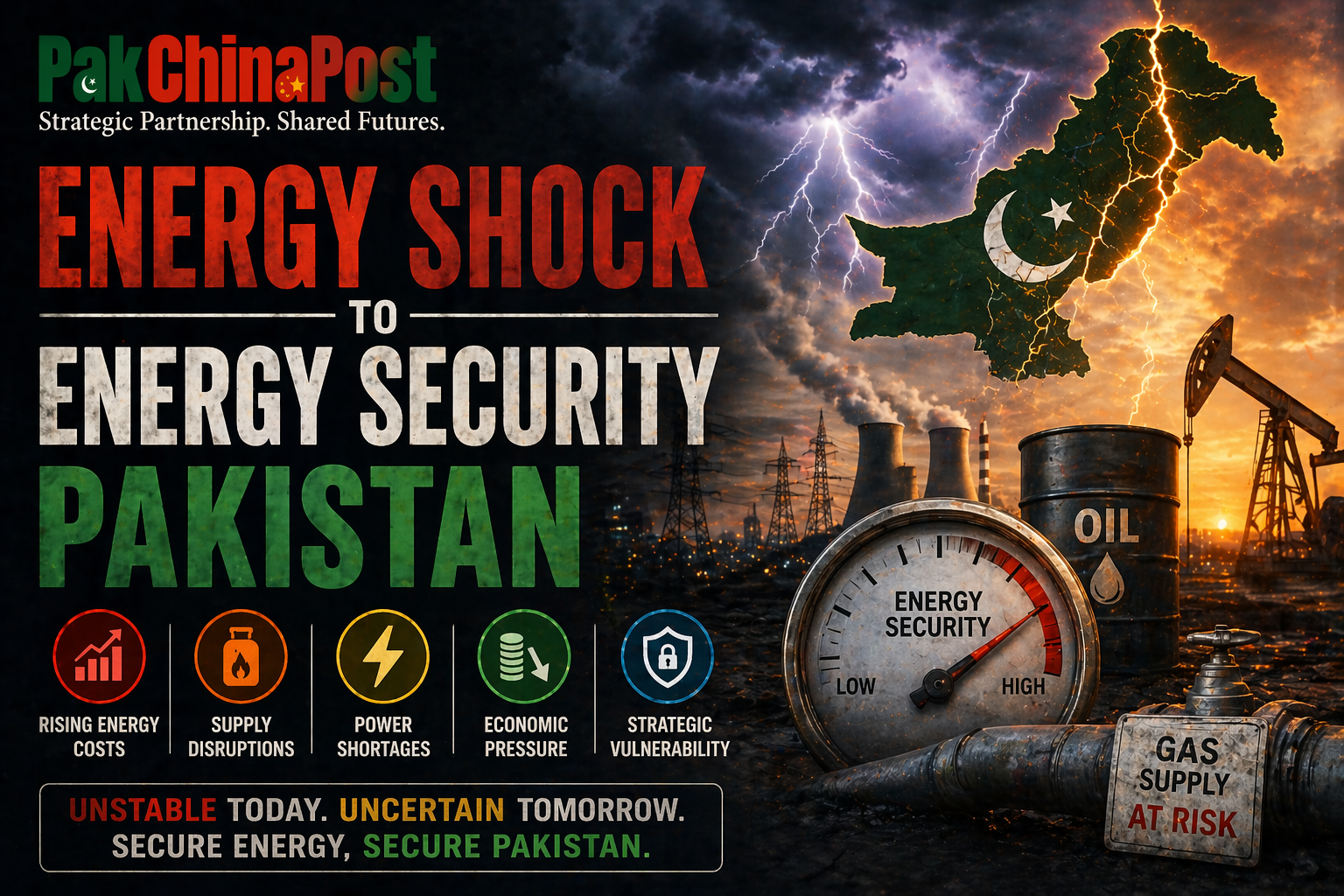
Energy Shock to Energy Security Pakistan
Pakistan’s energy question has long been framed as a problem of shortage, but that framing is increasingly outdated. The country no longer suffers from a simple lack of generation capacity. Instead, it faces a deeper structural contradiction between imported energy dependence, inefficient domestic
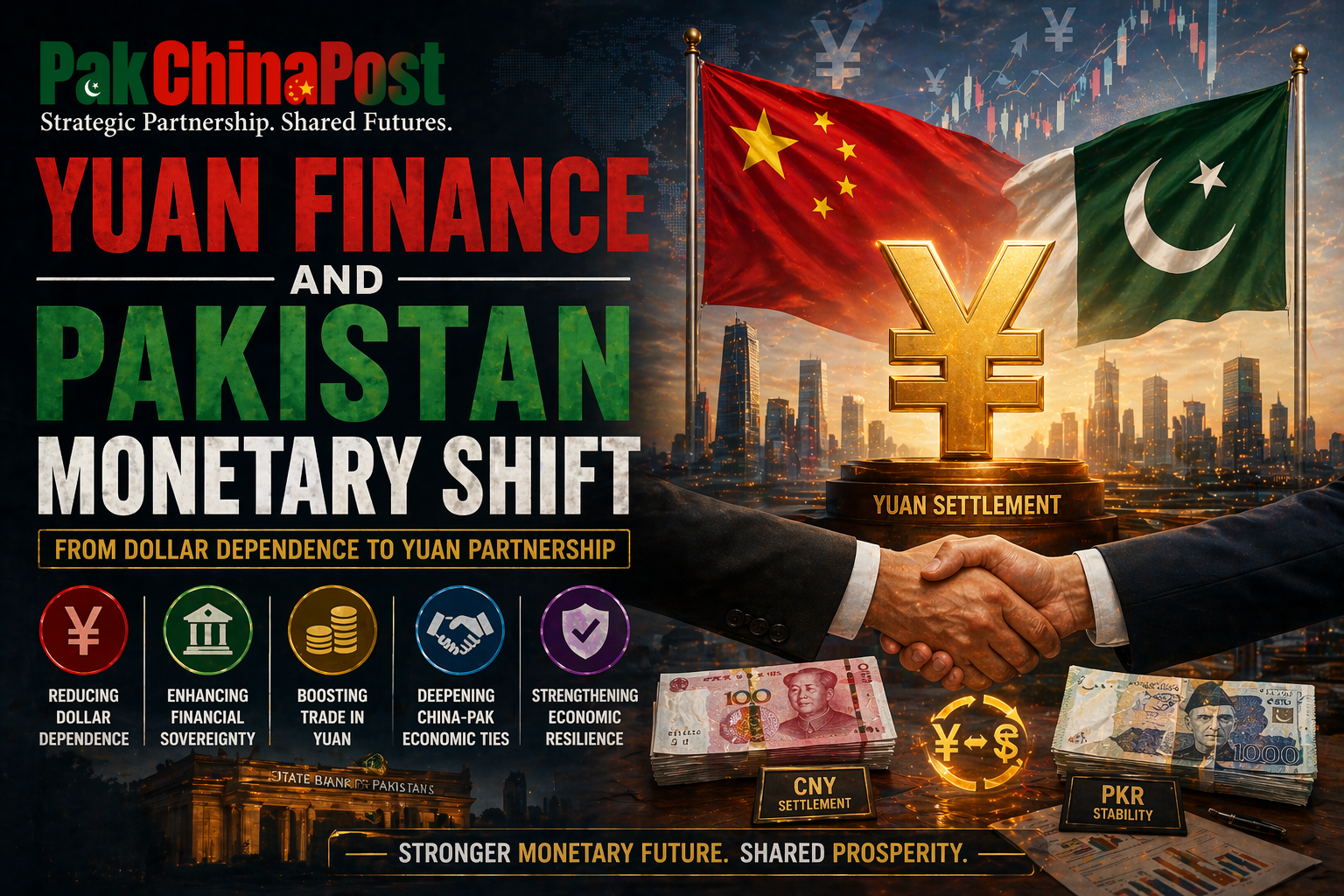
Yuan Finance and Pakistan Monetary Shift
Pakistan’s gradual turn toward Chinese capital markets is not a technical footnote in sovereign borrowing strategy, but a slow and politically consequential reorientation in the geography of money. It signals a shift from an overwhelmingly dollar denominated external financing structure toward a hybrid
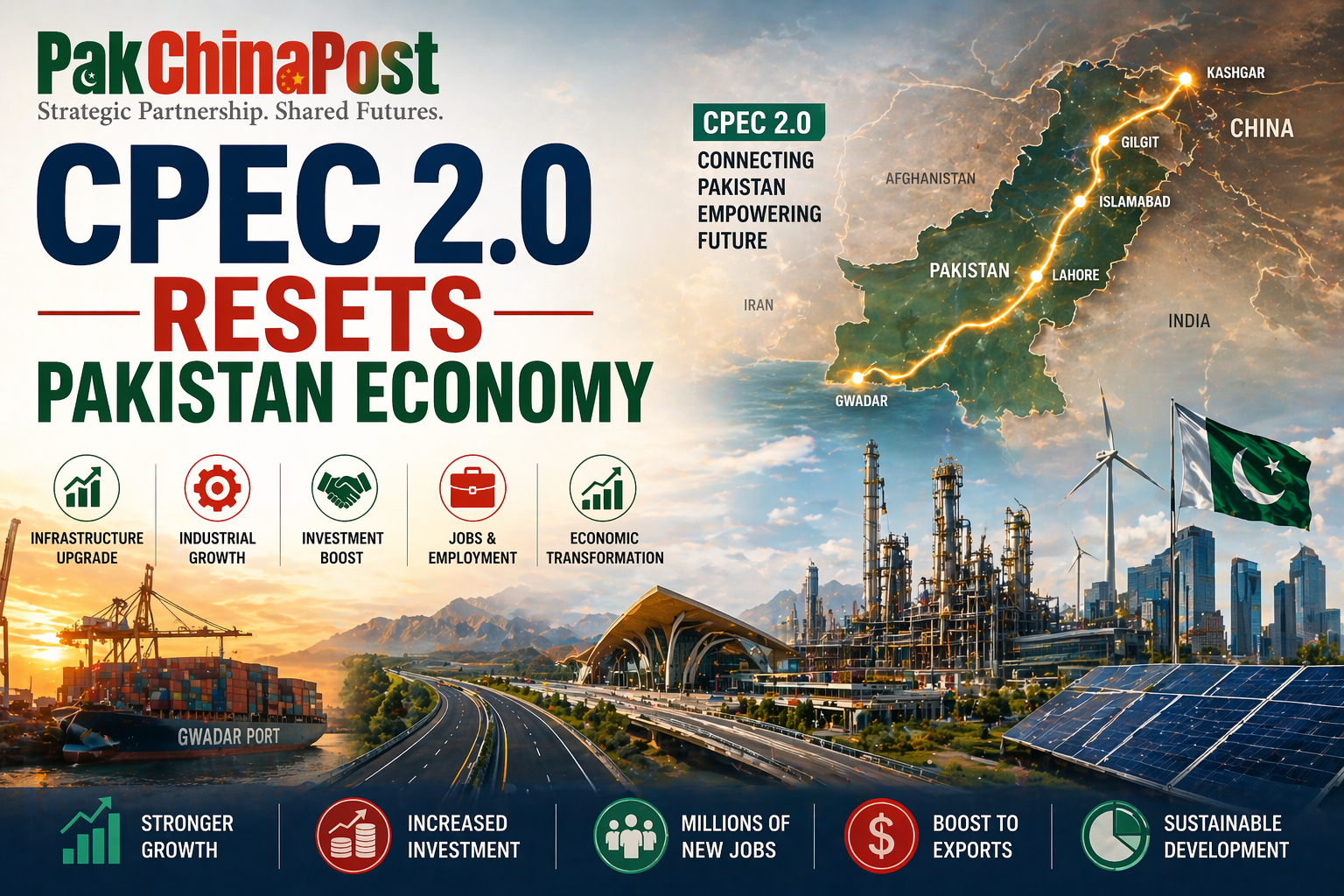
CPEC 2.0 Resets Pakistan Economy
The China Pakistan Economic Corridor was once presented as a grand infrastructure saga, a ribbon cut across maps, highways through mountains, ports rising from arid coastlines, and power plants promising relief from darkness. A decade later, the narrative has changed. Steel and concrete
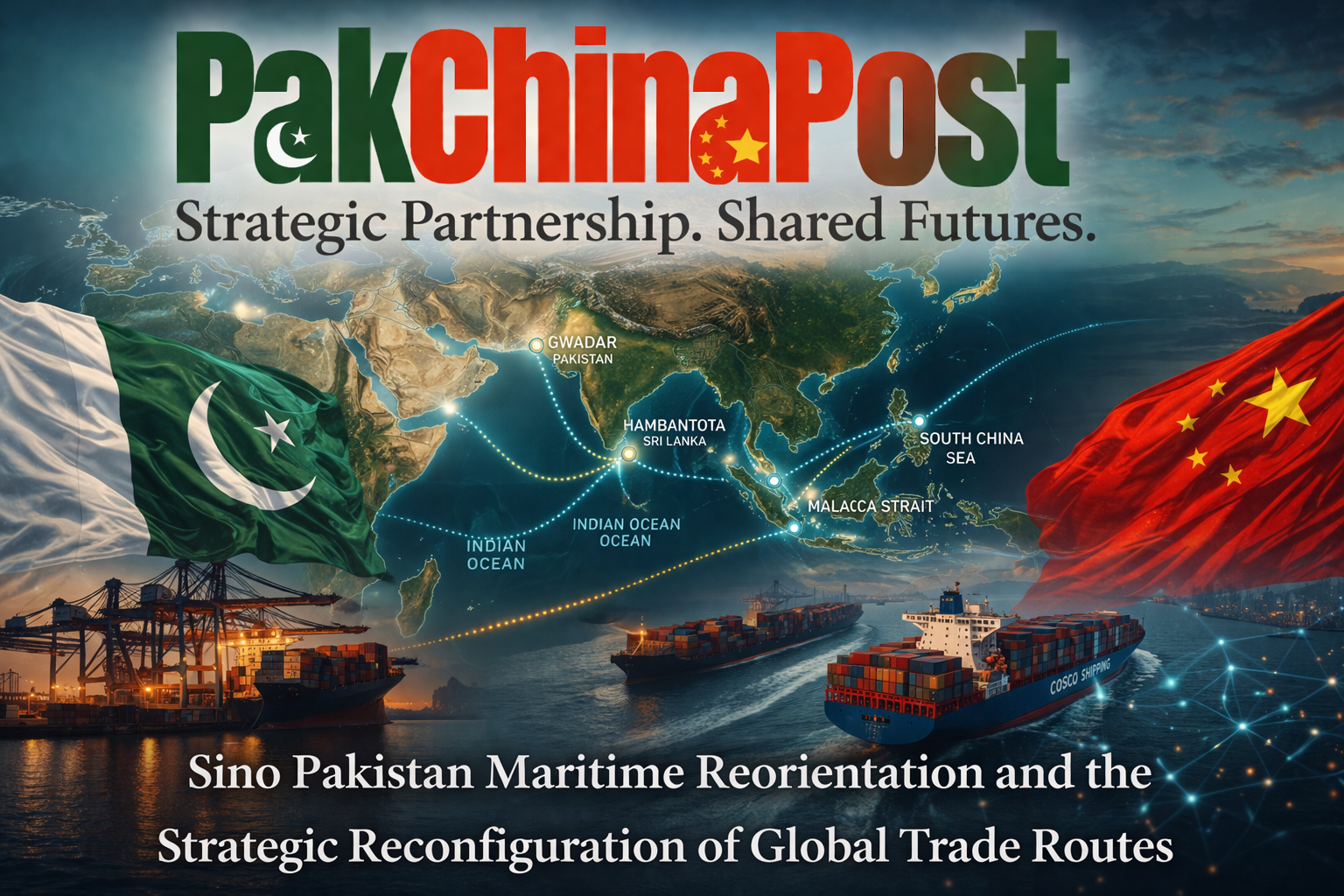
Sino Pakistan Maritime Reorientation and the Strategic Reconfiguration of Global Trade Routes
The deepening strategic partnership between China and Pakistan introduces a significant recalibration of global maritime and trade geography, particularly in relation to China’s perceived vulnerability in the Strait of Malacca. This vulnerability, often described in strategic literature as the Malacca dilemma, arises from

From Hormuz to the Indo-Pacific Arteries: Pakistan as the Pivot in Replicable Maritime Governance Architectures
The emerging logic of global maritime control is no longer confined to singular geographies but is progressively evolving into a transferable systems architecture, capable of replication across multiple chokepoints that underpin the continuity of global trade and energy circulation. Within this transition, the

The Hormuz Model and the Emerging Template for Chokepoint Governance in a Multipolar Maritime Order
The contemporary restructuring of global maritime strategy is increasingly defined by the emergence of replicable governance templates designed to regulate, stabilize, and technically administer critical chokepoints under conditions of intensifying multipolarity. Within this evolving strategic ecology, the conceptual and operational framework developed around

Financing Pakistan’s Future: China, the United States and the Evolution of Energy and Infrastructure Investment in 2026
In 2026 Pakistan’s economic landscape reflects a new chapter in the interplay of global capital, domestic imperatives and geopolitical interests. The country stands at a crossroads shaped by decades long engagement with Chinese financing under the banner of large scale infrastructure initiatives and

Pakistan at the Crossroads: China, the United States, and the Rewriting of Economic Engagement in 2026
In 2026 Pakistan’s economy finds itself at a critical juncture shaped by the competing influence of China and the United States. After years of fiscal stress marked by budget deficits, currency volatility, and recurring International Monetary Fund interventions Islamabad is navigating a complex

Financial Sovereignty and the Reconfiguration of Pakistan’s Economic Future in an Era Beyond Dollar Dominance
In the contemporary international order, financial architecture constitutes one of the most decisive arenas through which power is exercised, negotiated, and sustained. The dominance of the dollar has long provided the United States with an unparalleled capacity to influence global economic flows, regulate