

CPEC Phase Two Industrial Shift Amid Corridor Politics Tested

The second phase of the China Pakistan Economic Corridor is increasingly being positioned as a transition from hard infrastructure development toward a more complex architecture of industrial relocation, digital logistics integration, and agrarian modernization. Yet beneath this strategic rebranding lies a far more

Pakistan Economic Reset Amid Fragmented Global Order and Constraints Examined
Pakistan’s evolving economic posture, increasingly described in official discourse as a “geo-economic pivot,” is unfolding at a moment of acute global fragmentation, tightening liquidity conditions, and intensifying strategic competition among major powers. Yet beneath the rhetorical assertiveness of policy announcements lies a more

Global Growth Downgrade Crisis Economics Structural Instability Emerging Order
The global economy is entering a phase in which downward revisions to growth forecasts are no longer episodic adjustments to cyclical expectations but increasingly reflect a deeper structural recalibration of economic potential. Successive downgrades by international financial institutions, including the IMF, are not

China Credit Expansion Strategy and Global Liquidity Trade Spillovers
The contemporary global financial system is entering a phase in which credit is no longer merely an economic lubricant but an instrument of geopolitical adjustment, domestic stabilization, and external influence. Nowhere is this transformation more visible than in the evolving credit expansion strategy

Debt Without Discipline Permanent Deficits and Sovereign Fragility
The global fiscal landscape is undergoing a quiet but profound transformation, one in which the language of discipline has been gradually displaced by the politics of permanence. What was once treated as extraordinary, namely large scale public borrowing, sustained deficits, and counter cyclical

Energy Shock Economics Inflation Subsidies and Fiscal Fragility Emerging Markets
The global economy is once again discovering that energy is not merely a commodity input but a political instrument, a fiscal burden, and a structural determinant of macroeconomic stability. In emerging market economies, where institutional buffers remain thin and external dependency remains high,
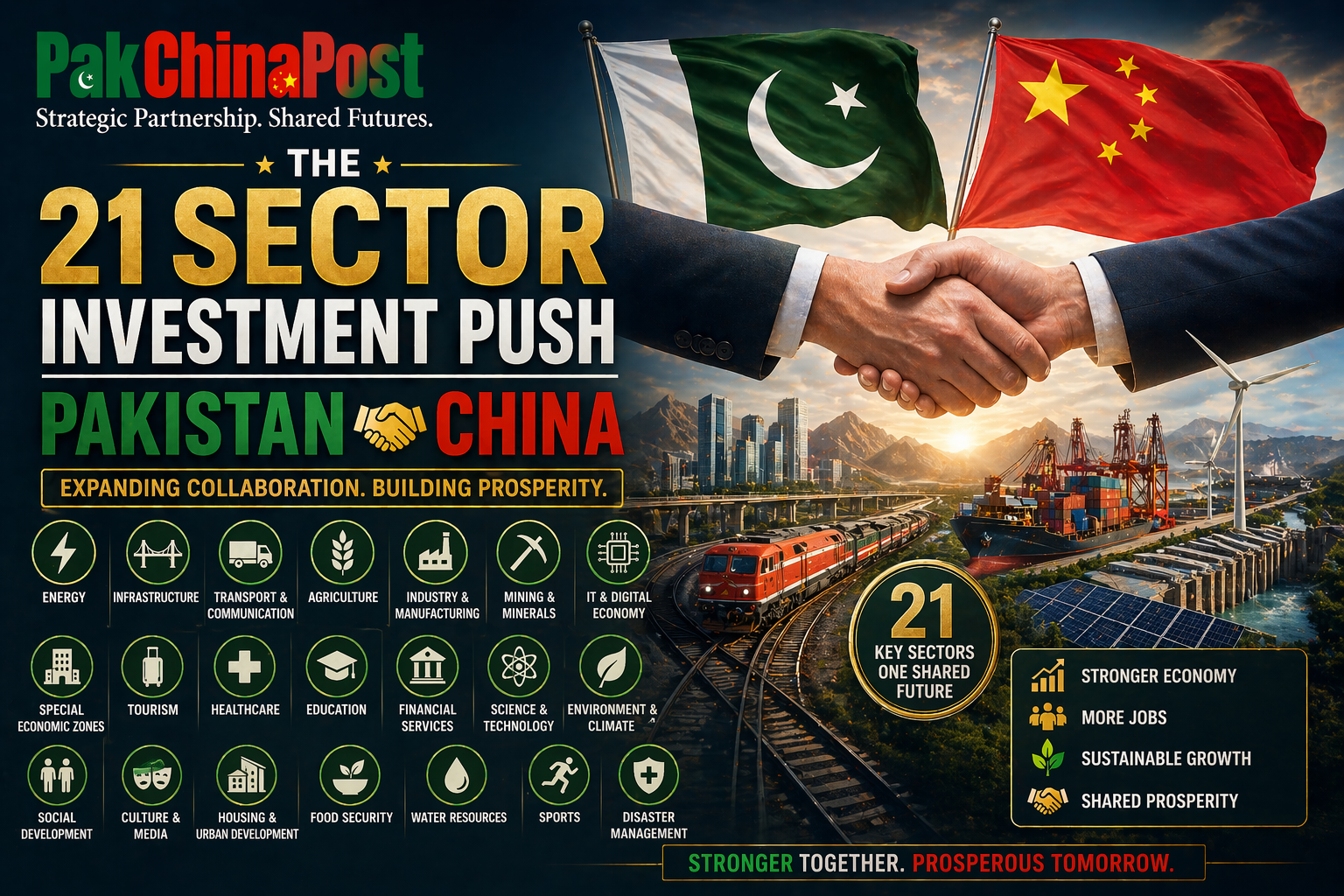
The 21 Sector Investment Push Pakistan China
Pakistan’s recent attempt to reorganise its investment diplomacy around twenty one priority sectors marks a quiet but important shift in how the country presents itself to foreign capital, particularly Chinese investors. For much of the past two decades, Pakistan’s investment narrative has oscillated
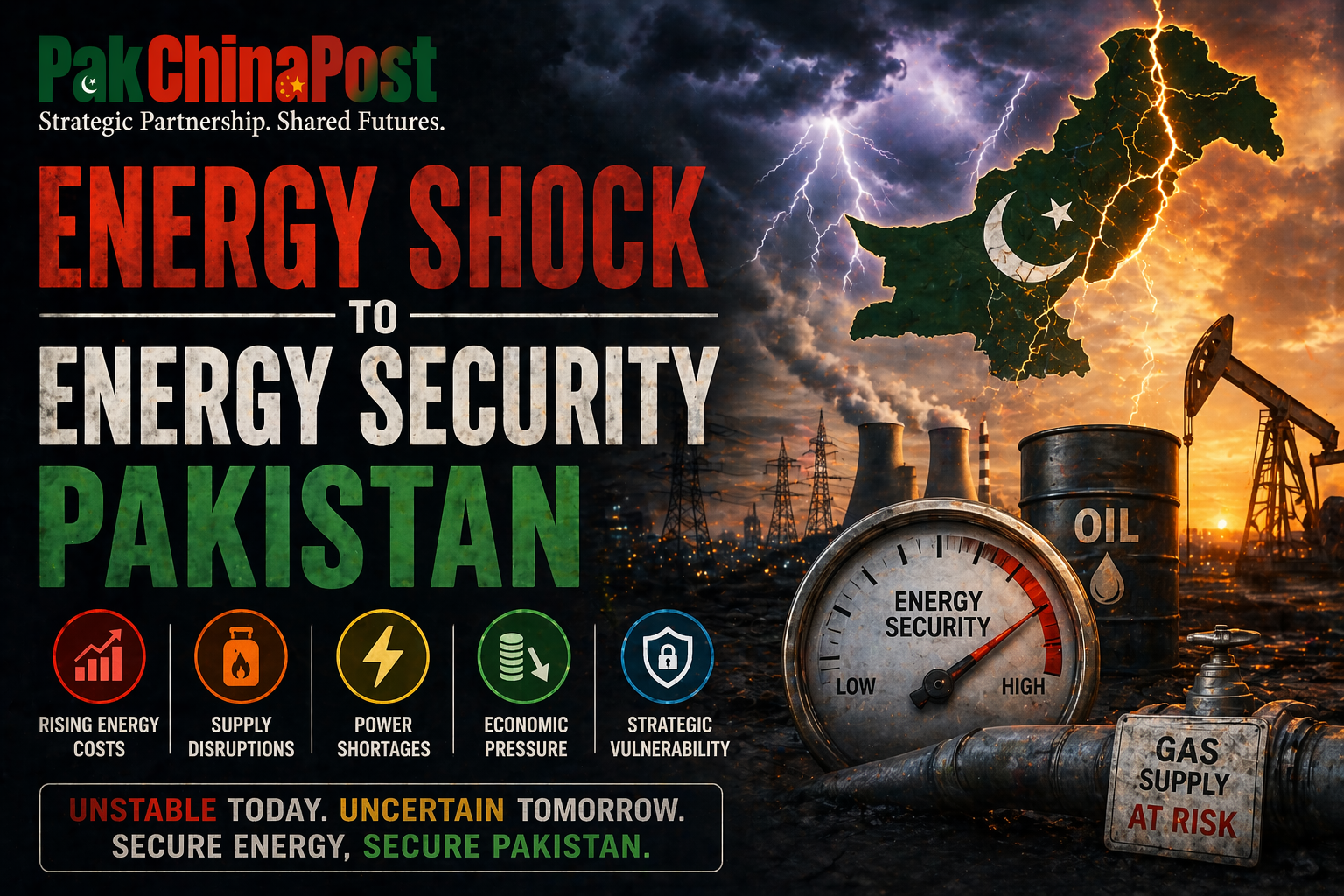
Energy Shock to Energy Security Pakistan
Pakistan’s energy question has long been framed as a problem of shortage, but that framing is increasingly outdated. The country no longer suffers from a simple lack of generation capacity. Instead, it faces a deeper structural contradiction between imported energy dependence, inefficient domestic
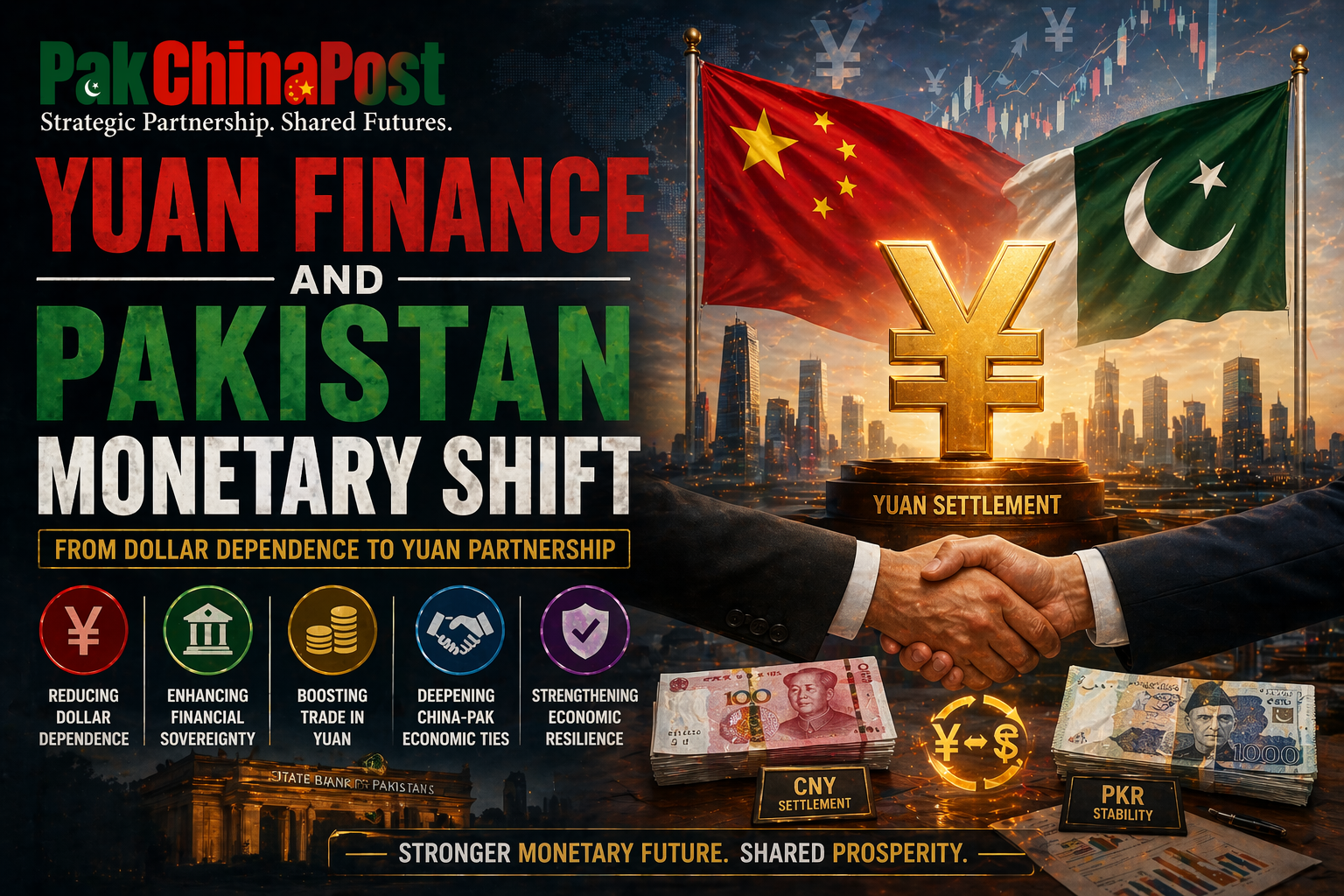
Yuan Finance and Pakistan Monetary Shift
Pakistan’s gradual turn toward Chinese capital markets is not a technical footnote in sovereign borrowing strategy, but a slow and politically consequential reorientation in the geography of money. It signals a shift from an overwhelmingly dollar denominated external financing structure toward a hybrid
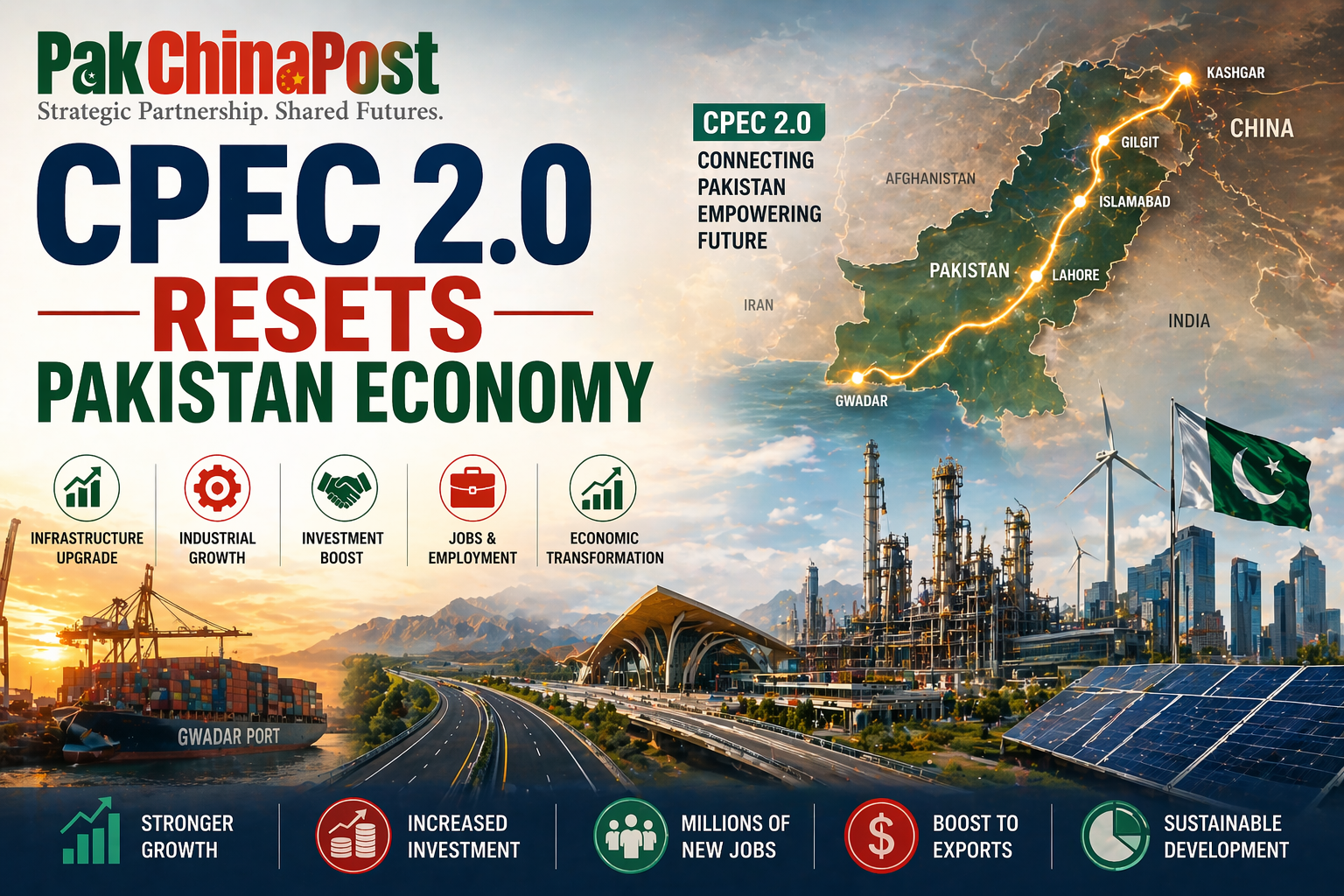
CPEC 2.0 Resets Pakistan Economy
The China Pakistan Economic Corridor was once presented as a grand infrastructure saga, a ribbon cut across maps, highways through mountains, ports rising from arid coastlines, and power plants promising relief from darkness. A decade later, the narrative has changed. Steel and concrete