
Autonomy Through Beijing Carries Hidden Strategic Costs

Pakistan has spent much of its modern history searching for strategic autonomy while repeatedly finding strategic dependence. The names of external patrons changed, the rhetoric changed, the crises changed, yet the pattern often endured. Security guarantees, emergency financing, diplomatic cover and military supplies

Gwadar Tests New Maritime Power Equations
Ports are often judged too early. In their first years they look like unfinished promises, concrete ambitions stranded beside restless water. Critics measure empty berths, delayed cargo and underused cranes, then declare grand strategy defeated by arithmetic. Yet ports belong to long time
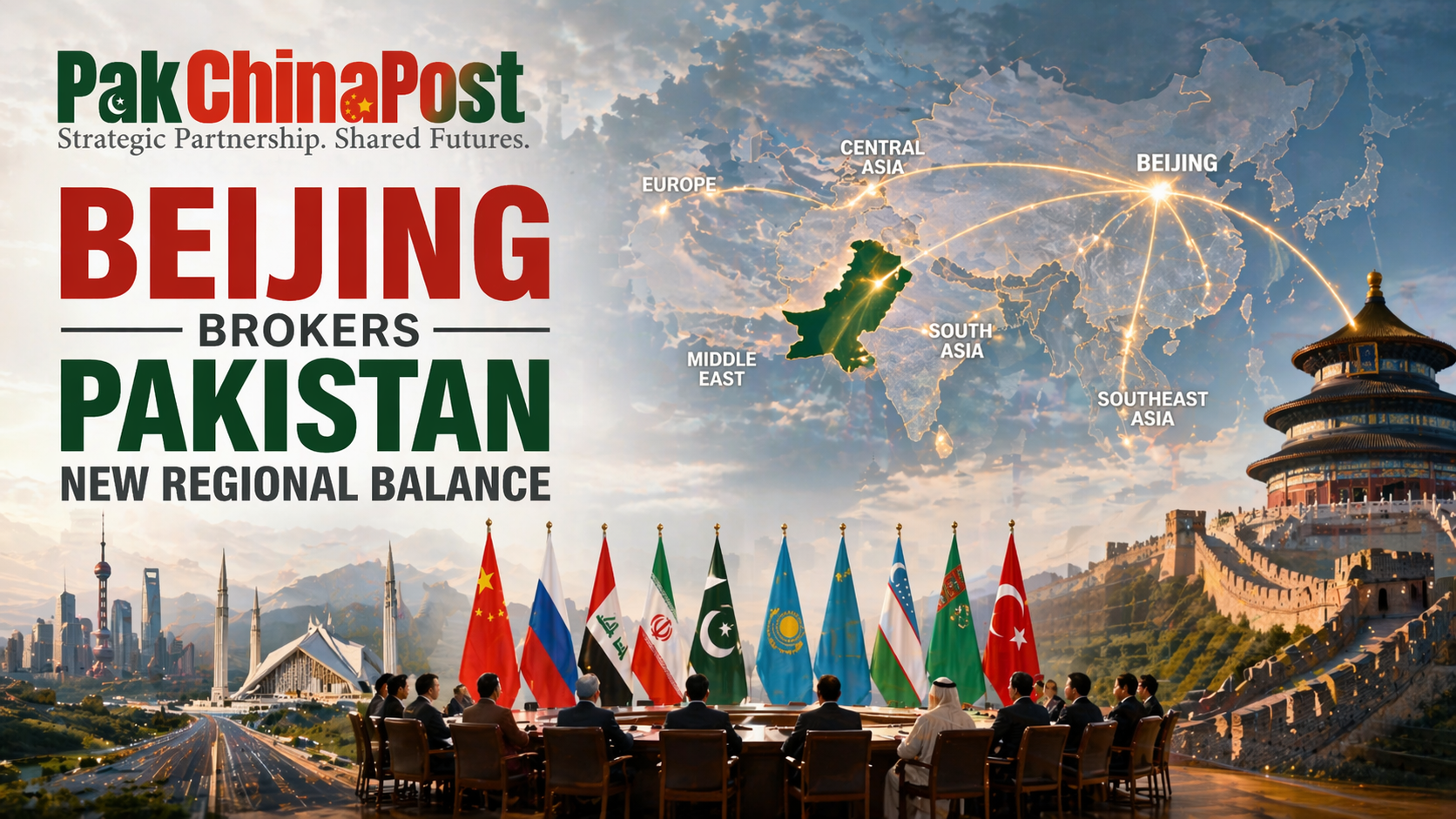
Beijing Brokers Pakistan New Regional Balance
China once preferred the comfort of distance. It traded widely, invested heavily and spoke often of sovereignty, but it generally avoided the burdensome role of political fire brigade in unstable regions. Where America sent envoys, aircraft carriers or sanctions regimes, Beijing sent bankers,
Silk Routes Become Strategic Shields Again
For much of the past decade, the China Pakistan Economic Corridor was discussed in the language of roads, ports, kilowatts and promised growth. It was praised by supporters as the flagship of the Belt and Road Initiative and criticised by sceptics as an
CPEC as Strategic Integration and the Reconfiguration of Pakistan China Geo Economic Interdependence
The China Pakistan Economic Corridor represents one of the most significant geo economic transformations in the contemporary global order, marking a shift from traditional infrastructure based development financing toward a deeper model of strategic integration. This transformation reflects not only an expansion of

South Asia’s Emerging Triangular Power Balance: Pakistan–China Strategic Convergence
The evolving strategic relationship between Pakistan and China represents a profound reconfiguration of South Asia’s geopolitical architecture, shifting it away from historically entrenched bilateral rivalry patterns toward a more complex triangular system of power balancing. This transformation is not merely a diplomatic or

From Hormuz to the Indo-Pacific Arteries: Pakistan as the Pivot in Replicable Maritime Governance Architectures

The emerging logic of global maritime control is no longer confined to singular geographies but is progressively evolving into a transferable systems architecture, capable of replication across multiple chokepoints that underpin the continuity of global trade and energy circulation. Within this transition, the

Pakistan as the Systemic Pivot in the Re-engineering of Maritime Governance in the Strait of Hormuz

The ongoing reconfiguration of global maritime order reflects a deeper systemic transition in which classical hierarchies of power are being replaced by distributed architectures of governance, coordination, and adaptive control. This transformation is not merely operational but structural, redefining the ontology of maritime

The Hormuz Model and the Emerging Template for Chokepoint Governance in a Multipolar Maritime Order
The contemporary restructuring of global maritime strategy is increasingly defined by the emergence of replicable governance templates designed to regulate, stabilize, and technically administer critical chokepoints under conditions of intensifying multipolarity. Within this evolving strategic ecology, the conceptual and operational framework developed around
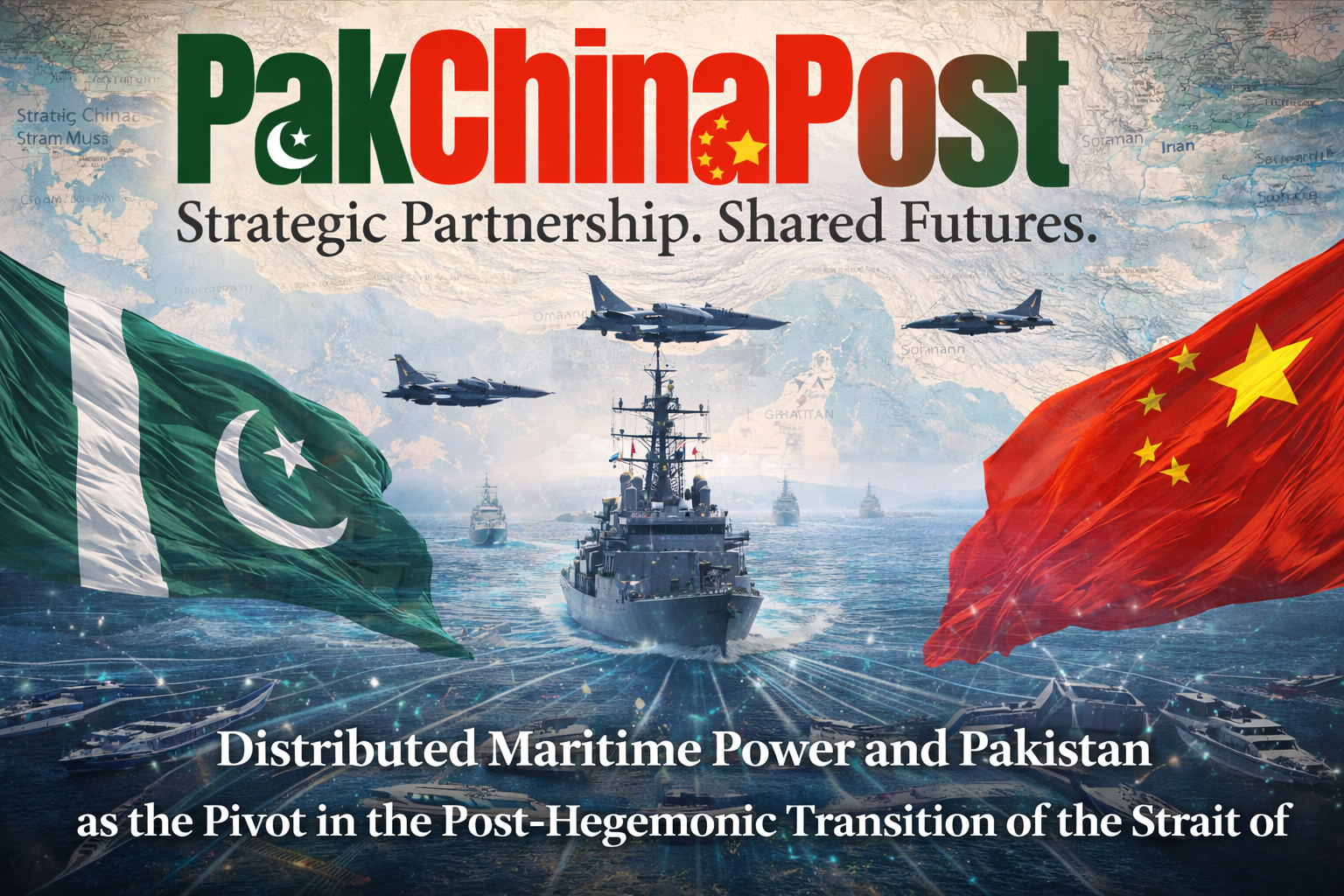
Distributed Maritime Power and Pakistan as the Pivot in the Post-Hegemonic Transition of the Strait of Hormuz
The structural transformation of global maritime power is no longer unfolding through abrupt systemic rupture but through a gradual diffusion of authority across interconnected nodes of influence. Within this evolving configuration, the decline of singular naval hegemony is less a collapse than a