
Subsidy Retrenchment and Fiscal Survival in Crisis Stricken Economies Dilemma

Across the developing world, a quiet but consequential transformation is unfolding within the architecture of state economic governance. Under the austere gaze of international financial orthodoxy, energy subsidies once regarded as indispensable instruments of social protection are being systematically dismantled, recalibrated, or reclassified
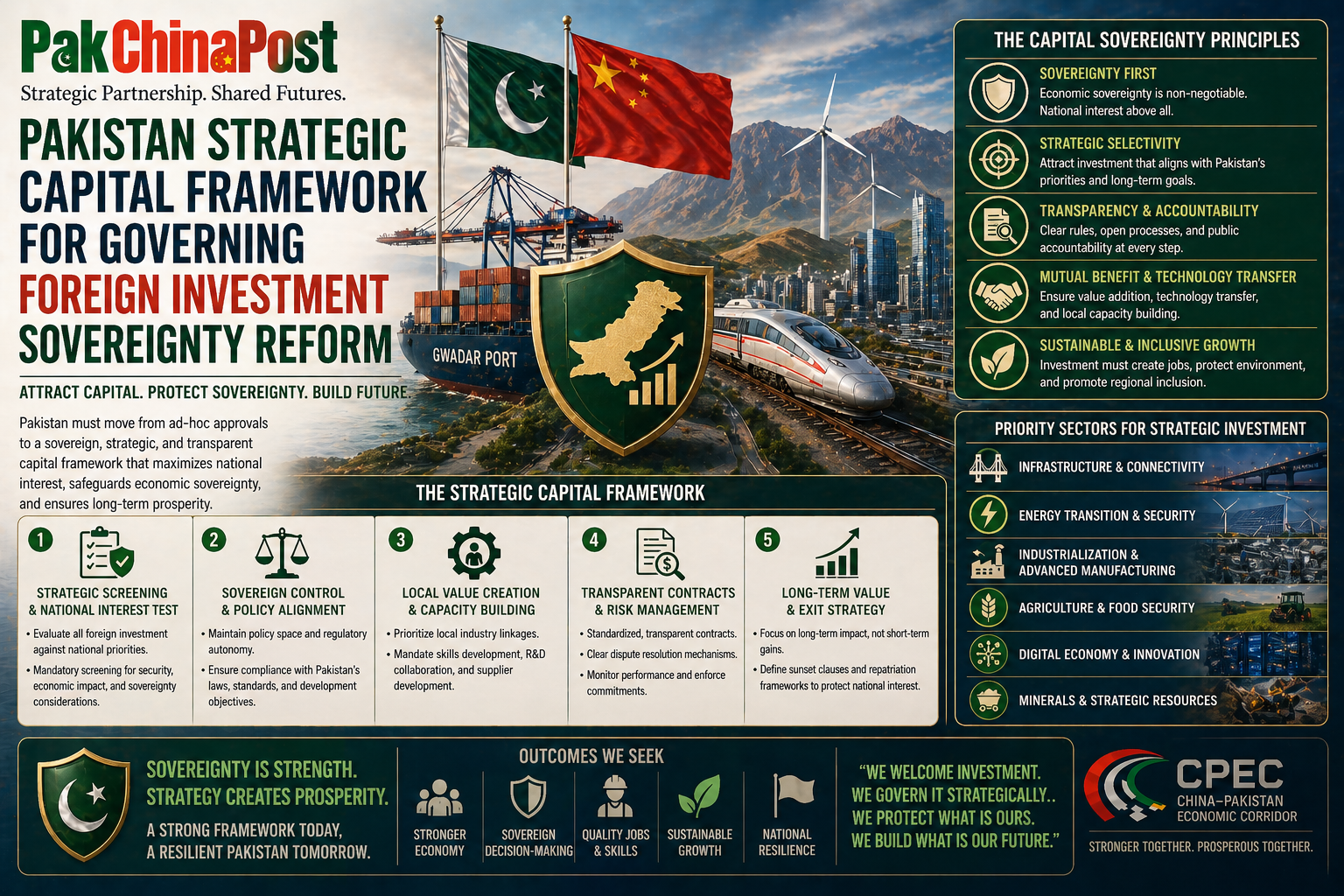
Pakistan Strategic Capital Framework For Governing Foreign Investment Sovereignty Reform

Pakistan’s expanding engagement with Chinese capital has reached a structural stage where traditional foreign investment policy tools are no longer adequate to manage the scale, complexity, and strategic sensitivity of incoming financial and technological flows. What was once framed as development assistance or

Pakistan China Policy Must Shift from Reaction to Strategic Planning

Pakistan’s engagement with China has entered a phase where historical improvisation is no longer sufficient to manage contemporary economic complexity. The China Pakistan Economic Corridor, once framed primarily as a portfolio of infrastructure projects, has evolved into a multi dimensional platform spanning industrial
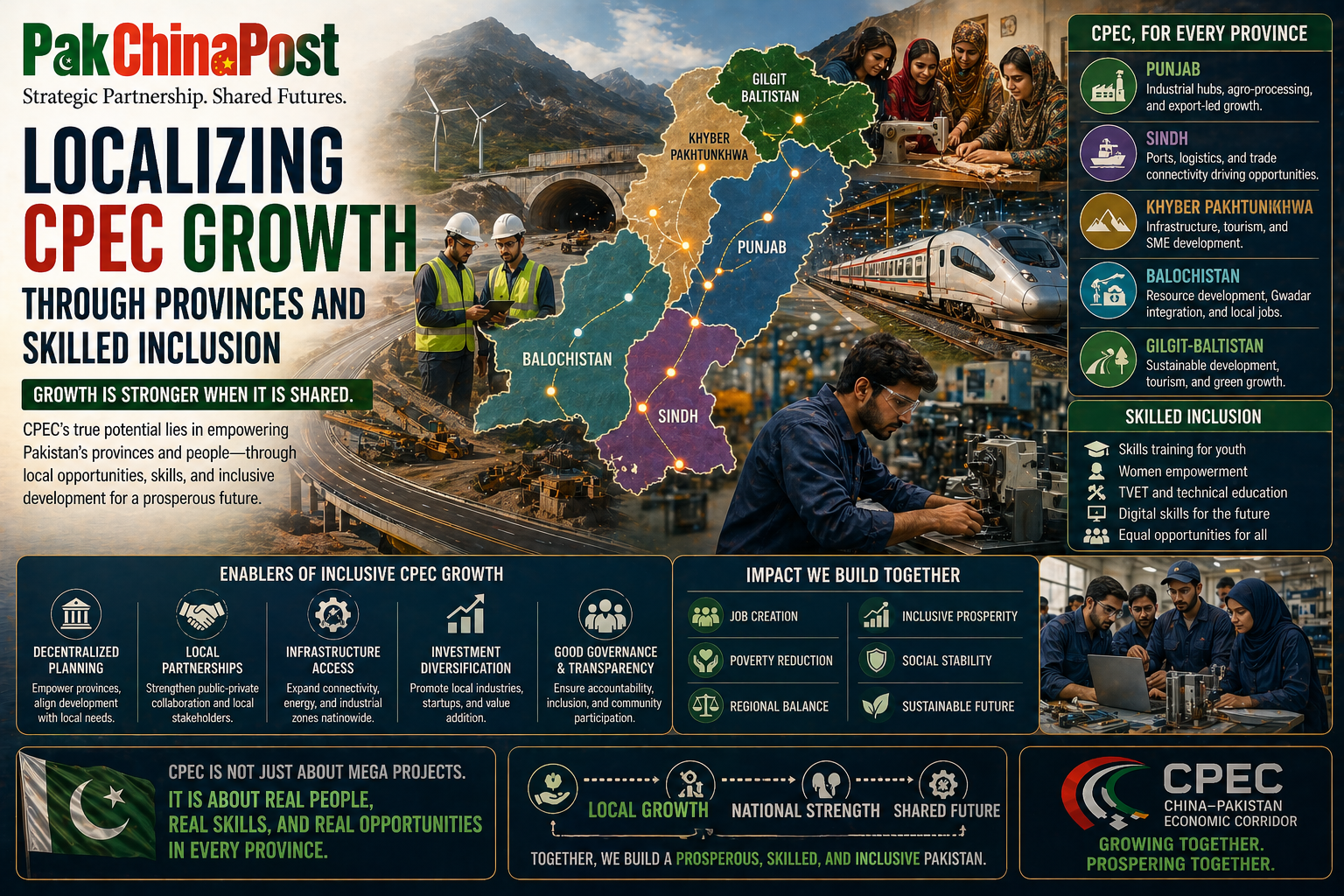
Localizing CPEC Growth Through Provinces And Skilled Inclusion

Pakistan’s experience with large scale external investment has consistently revealed a central paradox. Capital inflows can be negotiated at the highest diplomatic level, yet their developmental dividends are ultimately determined at the lowest levels of institutional execution. The China Pakistan Economic Corridor has

CPECTransition, StateCapacity, EconomicReform, InstitutionalDevelopment, SustainableGrowth
Pakistan’s development trajectory under the China Pakistan Economic Corridor has reached a structural inflection point where the central constraint is no longer the availability of external capital but the internal coherence of institutions responsible for absorbing, distributing, and transforming that capital into sustained
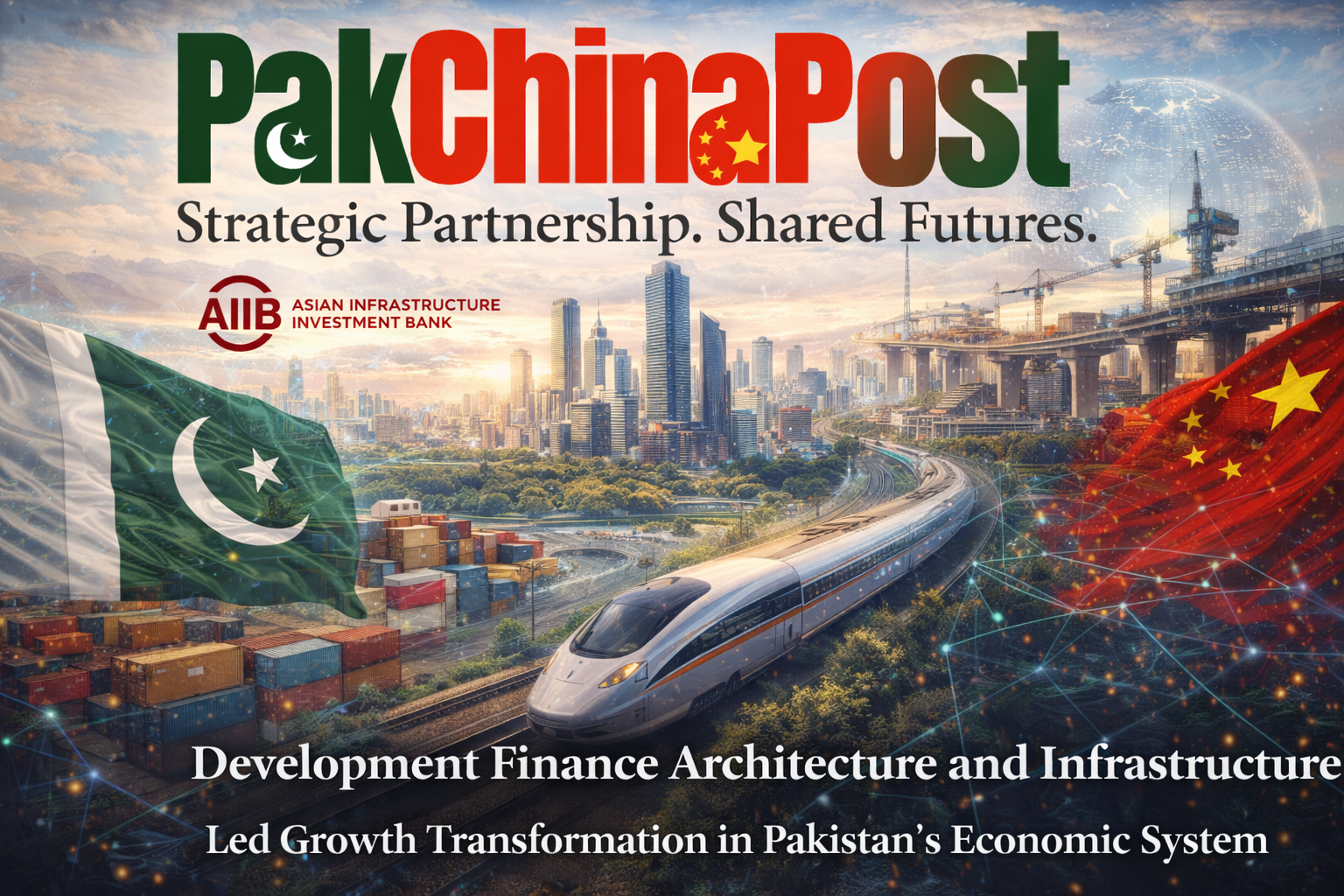
Development Finance Architecture and Infrastructure Led Growth Transformation in Pakistan’s Economic System
The development trajectory of Pakistan is undergoing a structural transition toward an infrastructure led growth model supported by multilateral development finance institutions, public sector investment reforms, and increasingly coordinated corridor based economic planning. This transition reflects a broader reorientation of economic policy away

Institutional Trade Reform, Multilateral Compliance, and the Evolution of Rules Based External Economic Governance in Pakistan
The external economic governance system of Pakistan is undergoing a structured transformation characterized by increasing alignment with multilateral trade institutions, standardized regulatory frameworks, and internationally recognized legal compliance mechanisms. This transformation reflects a gradual but consistent transition from discretionary administrative trade management toward

PAKISTAN AND THE GREAT POWER FRAMEWORKS OF THE 2020s: TRADE, DEFENSE, AND INVESTMENT
In the unfolding geopolitical architecture of the early 2020s, Pakistan’s national planning has been profoundly shaped by two competing international policy frameworks whose ambitions reach far beyond conventional diplomacy. The United States Indo‑Pacific Strategy seeks to assert a vision of free and open
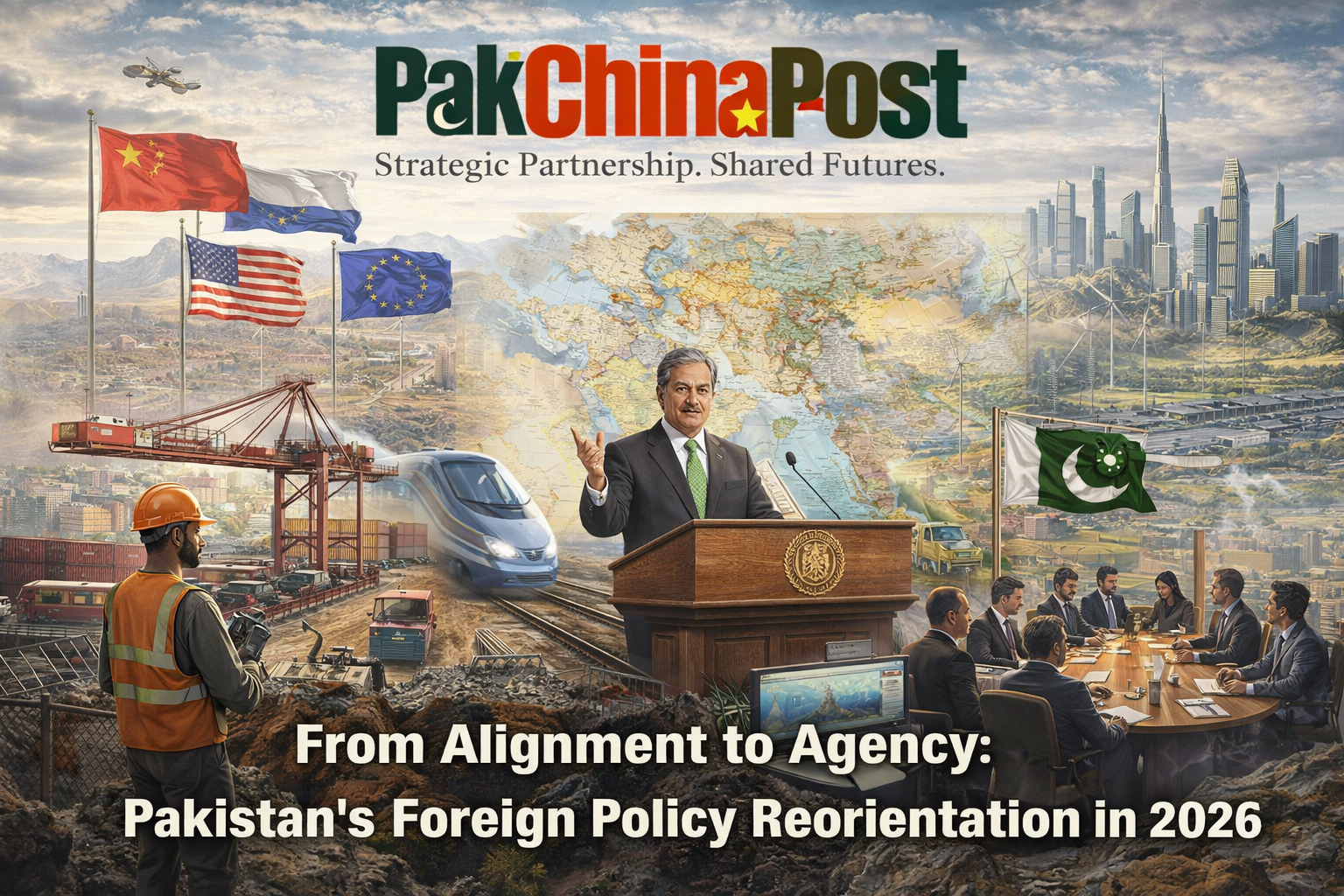
From Alignment to Agency: Pakistan’s Foreign Policy Reorientation in 2026
Pakistan’s foreign policy in 2026 reflects the culmination of an extended period of strategic adaptation that has unfolded against the backdrop of a global order shifting toward multipolarity. For decades the state’s external engagements were shaped by imperatives born of the Cold War,

Pakistan’s Strategic Role in China’s Global Supply Chain
Pakistan occupies a strategically significant position in regional and global economic networks, and its integration into China’s global supply chain represents an unprecedented opportunity for industrial development, technology transfer, and economic transformation. The evolving dynamics of global manufacturing, regional connectivity, and value chain